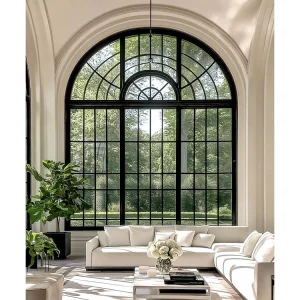
Engineered architectural aluminum windows and framing configurations customized to comply with global structural parameters, wind loads, and thermal demands.
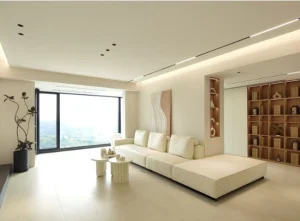
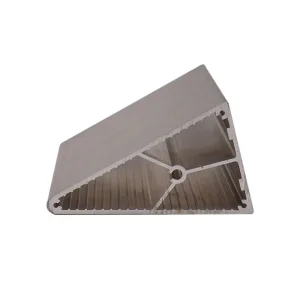
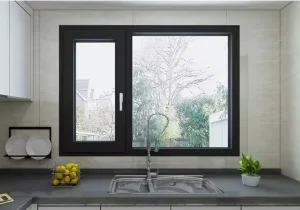
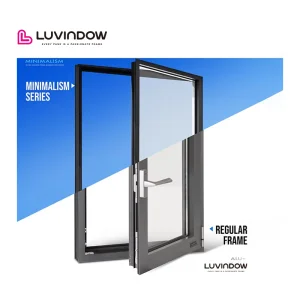
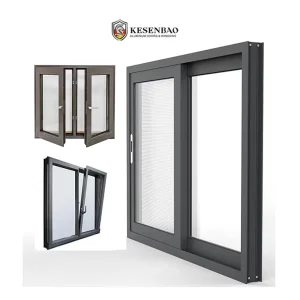
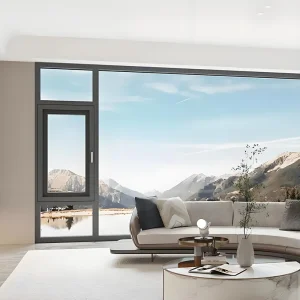
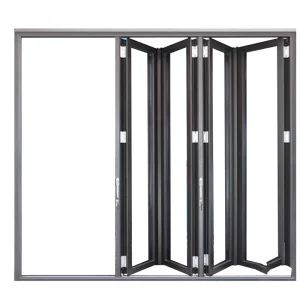
In modern structural and interior engineering, aluminum has evolved from a basic framing metal to the backbone of high-performance architectural systems. As global enterprises aim to build smarter, energy-efficient commercial spaces, logistics networks, and high-end residential projects, the demand for integrated **OEM/ODM Aluminum Storage Solutions** and **Advanced Window Systems** has surged. Decarbonization pressures, rigorous building codes, and safety standards like North America’s NFRC and Australia’s AS2047 require systems that offer structural strength, thermal efficiency, and modular flexibility.
This whitepaper explores the technical specifications, metallurgical advancements, and supply chain efficiencies that make China's architectural aluminum factories in Foshan, Guangdong—led by pioneer manufacturers like Foshan ORM Windows Co., Ltd.—the primary sourcing partners for global developers, engineering contractors, and B2B distributors.
The choice of aluminum (predominantly 6000-series alloys, including 6063-T5 and 6063-T6) for industrial storage containers, heavy-duty shelving units, cleanroom systems, and window framing is driven by metallurgy:
Located in Guangdong, China, the Foshan industrial cluster is the heart of the global architectural aluminum supply chain. Benefiting from deep vertical integration, Foshan-based manufacturers like Foshan ORM Windows Co., Ltd. access raw billets, extrusion tooling, surface treatment centers, high-performance double-glazed glass, and hardware accessories within a 50km radius.
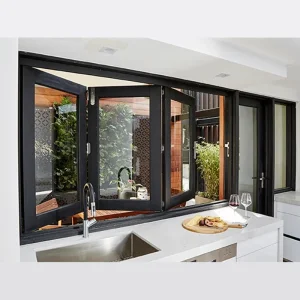
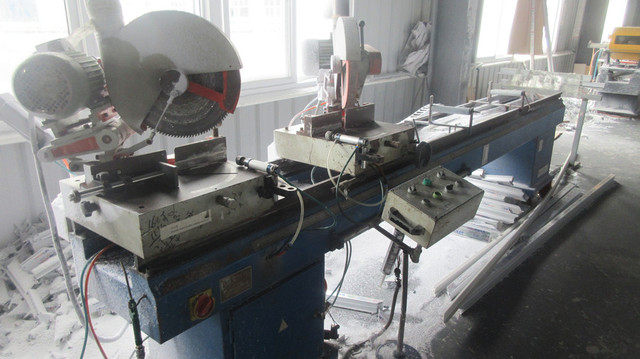
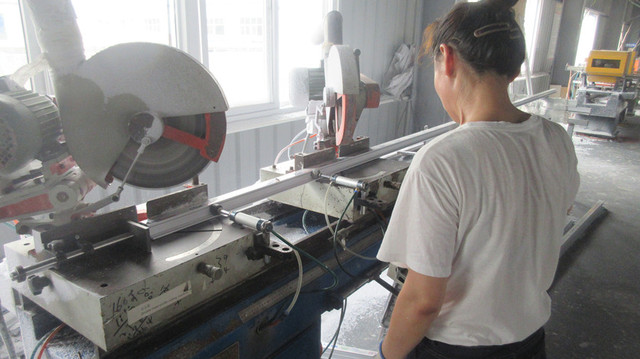
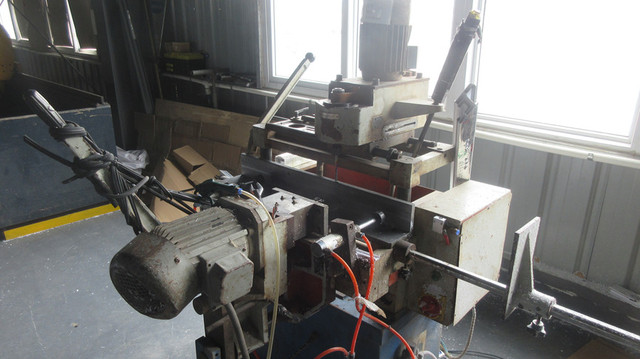
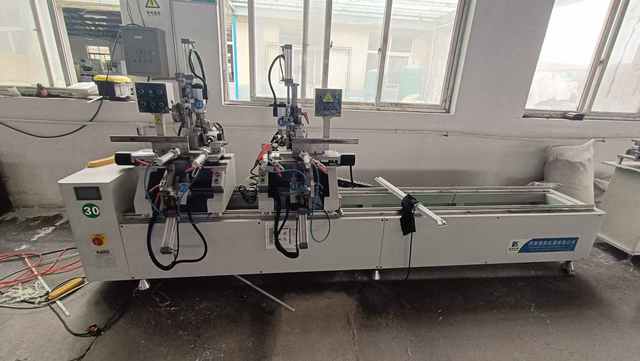
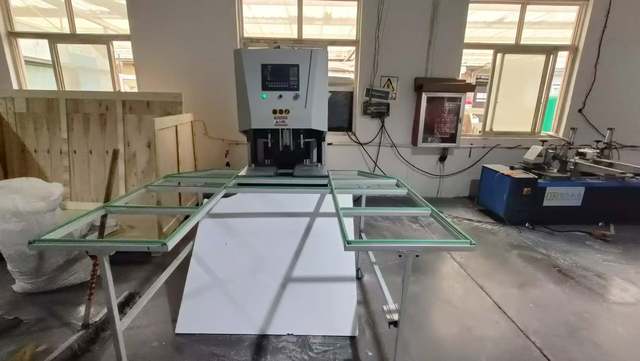
Operating from a 20,000+ square meter factory with over 280 skilled personnel, ORM Windows combines automated CNC cutting machines, double-headed precision miter saws, and specialized milling systems to maintain tolerances within ±0.2mm. This precision ensures that custom configurations, including motorized tilt-and-turn units, heavy-duty sliding partitions, and complex folding assemblies, operate reliably for decades.
Global procurement managers require agile engineering services to meet diverse regional building standards. An experienced OEM/ODM partner must offer structured, documented development cycles:
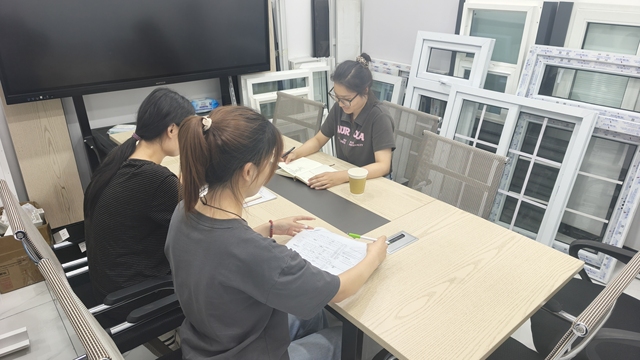
Engineers translate architectural drawings into precise CAD profiles, running FEM (Finite Element Method) simulations to analyze wind loads and structural stress points.
Extrusion molds are fabricated in-house to achieve exact cross-sections, optimizing weight while ensuring code compliance.
Prototypes undergo testing for water penetration, wind deflection, and structural integrity under high pressure before mass production.
Navigating international B2B procurement requires strict alignment with localized certifications:
Modern warehouses, distribution centers, and automated manufacturing hubs rely on industrial-grade aluminum storage solutions. Extruded frames are used in smart logistics for cleanroom partition panels, automated storage and retrieval systems (ASRS), and custom tool organizers.
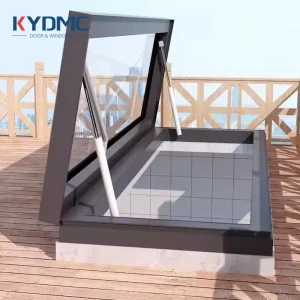
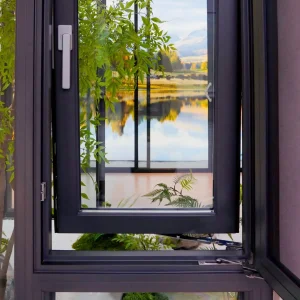
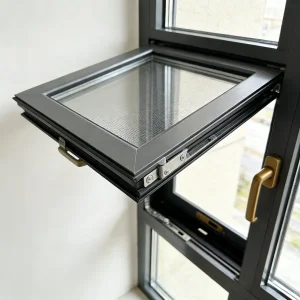
Similarly, in residential and commercial architecture, intelligent features are standard. Examples include automated roof skylights with rain sensors, remote-controlled smart lifting window systems, and motorized tilt-and-turn designs integrated with building management systems (BMS). The adaptability of extruded aluminum makes it the ideal enclosure material for these electronic integrations.
Answers to common engineering and commercial questions from global procurement and design teams.
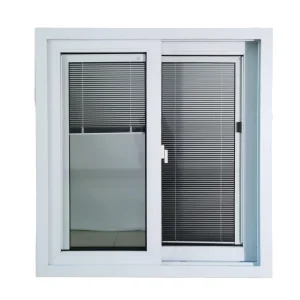
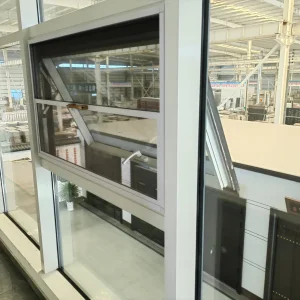
Engineered high-performance configurations including double-glazing, thermal break technology, and heavy-duty structural profiles.
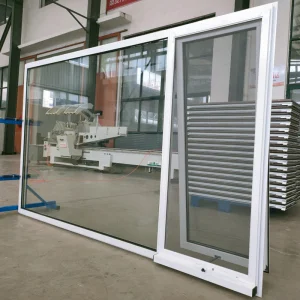
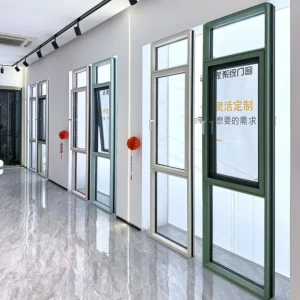
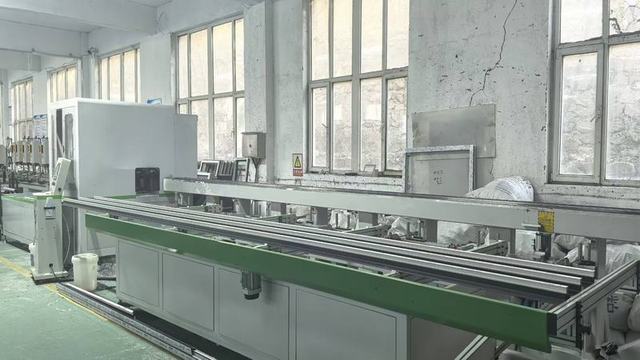
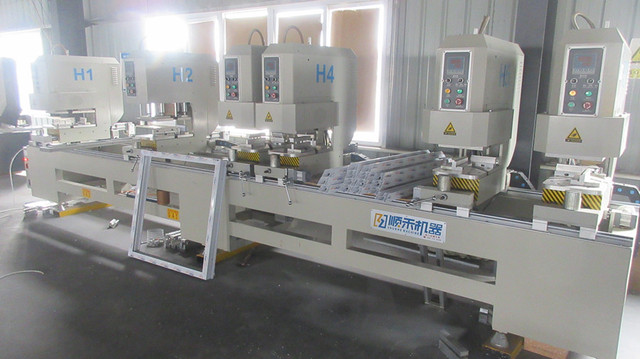
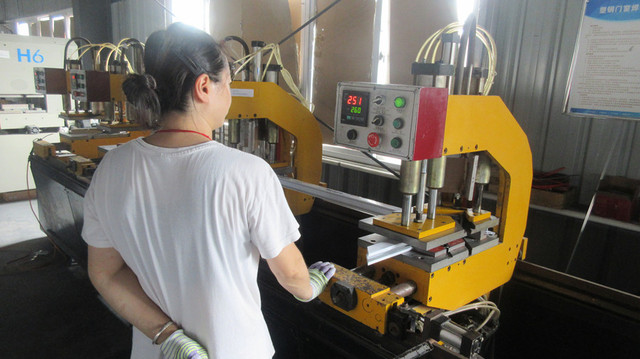
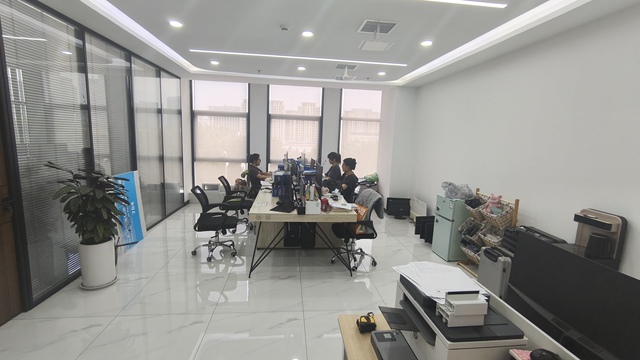
Inside the 20,000+ sqm production facility of Foshan ORM Windows Co., Ltd. showing raw extrusion processing, CNC milling, precision glass glazing, and final inspection stages.
 ORM Windows