Engineered for structural loading capacity, long-term operational durability, and superior environmental resistance.
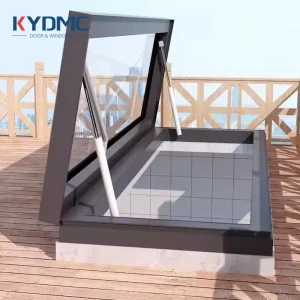
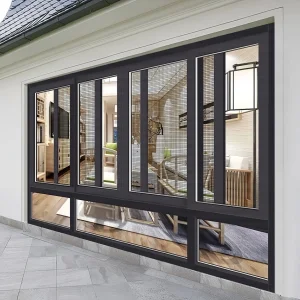
In modern industrial, commercial, and architectural operations, the demand for precision-engineered aluminum systems has reached a critical inflection point. Whether optimizing the material flow within cleanrooms and airports via heavy-duty OEM/ODM aluminum trolleys, or reinforcing high-rise building envelopes with structural architectural frames, the core requirement remains consistent: premium structural metallurgy, high-precision CNC tolerance control, and ultimate design flexibility.
The foundation of high-performance aluminum trolleys and structural architectural systems lies in material metallurgy. Traditional steel is prone to rust and excessive weight; plastics fail under high structural stress and UV exposure. Utilizing advanced extruded aluminum alloys (specifically the 6000 series: 6063-T5, 6063-T6, and 6061-T6) delivers structural integrity, weight reduction, and superior fatigue resistance.
Our engineering team configures the extrusion parameters based on the targeted mechanical loads of the application:
| Alloy & Temper | Tensile Strength | Yield Strength | Elongation % | Primary Industry Application |
|---|---|---|---|---|
| 6063-T5 | ≥ 150 MPa | ≥ 110 MPa | ≥ 8% | Residential Windows, Light Duty Racks |
| 6063-T6 | ≥ 205 MPa | ≥ 170 MPa | ≥ 8% | Heavy Duty Window Frames, Modular Trolleys |
| 6061-T6 | ≥ 290 MPa | ≥ 240 MPa | ≥ 10% | Industrial Cargo Trolleys, High-Load Structures |
To prevent environmental degradation, all profiles undergo secondary surface stabilization. These include Class I / Class II Anodizing (producing a protective aluminum oxide film of 15 to 25 microns) and Qualicoat-certified electrostatic powder coating. These treatments prevent oxidation, guarantee galvanic corrosion immunity when in contact with stainless steel fasteners, and deliver a smooth surface finish.
The global market for material handling equipment and commercial-grade aluminum systems is experiencing a paradigm shift driven by three primary forces:
I. The Ergonomic & Decarbonization Mandate: Enterprises are replacing heavy steel handling systems with structural aluminum. Reducing the deadweight of transport trolleys by up to 45% minimizes worker fatigue, prevents repetitive strain injuries, and decreases energy requirements in automated guided vehicle (AGV) systems.
II. Cleanliness & Zero-Contamination Requirements: In pharmaceutical labs, semiconductor cleanrooms, and food processing plants, particulate shedding and rust are catastrophic. Anodized aluminum trolleys do not outgas, do not shed paint flakes, and withstand aggressive chemical washdowns (including isopropyl alcohol and vaporized hydrogen peroxide), ensuring sterile integrity.
III. The Rise of Modular "Kit-of-Parts" Engineering: Fixed-welded frames are being replaced by modular, T-slot aluminum extrusion profiles. This enables rapid, on-site customization of trolley sizes, shelf heights, and auxiliary mounting plates without requiring hot-work permits or post-weld structural inspections.
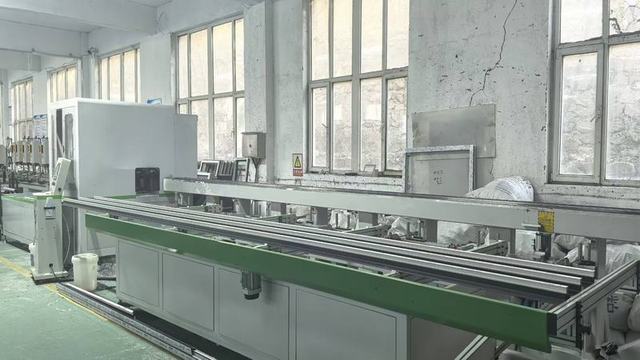
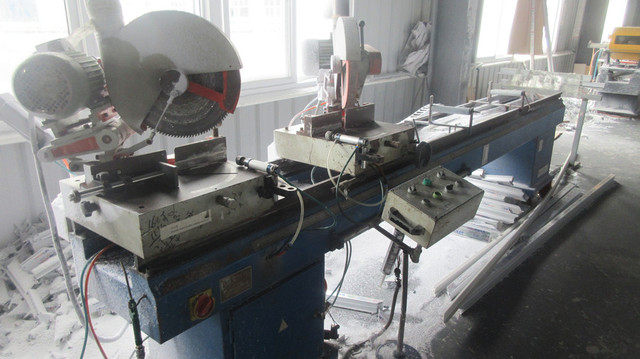
Foshan, Guangdong is widely recognized as the global epicenter for aluminum architectural and structural manufacturing. Foshan ORM Windows Co., Ltd. leverage this geographical cluster to secure raw materials and maintain strict control over processing margins.
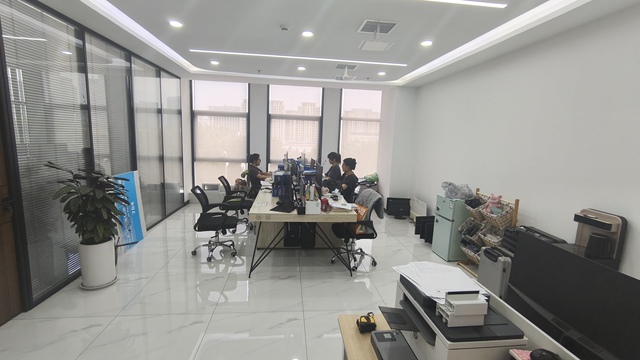
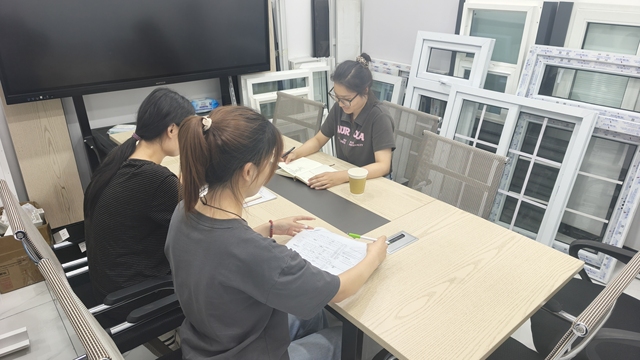
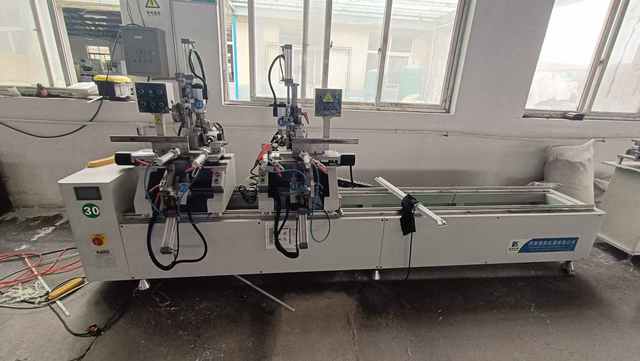
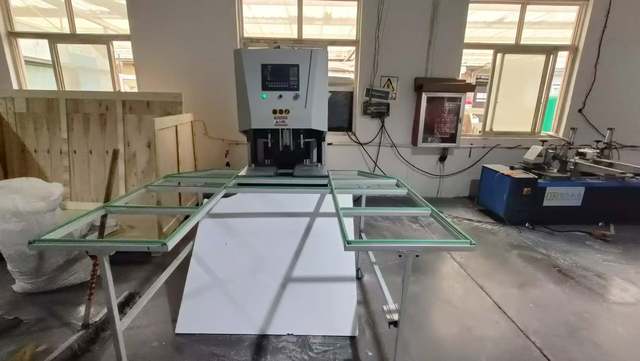
Our manufacturing capabilities combine advanced automation with strict quality control systems:
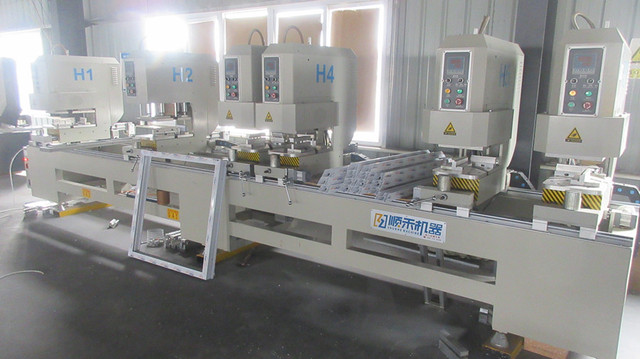
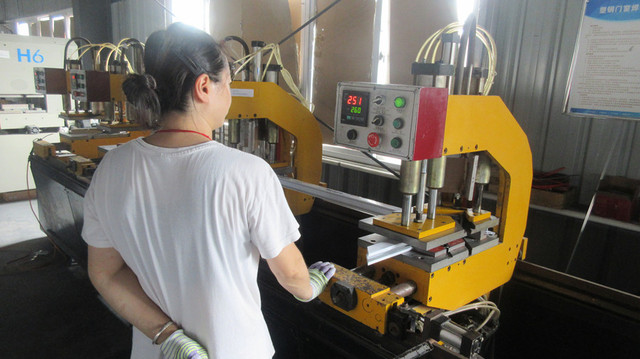
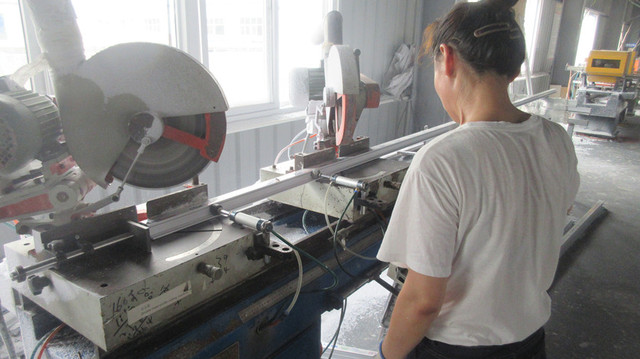
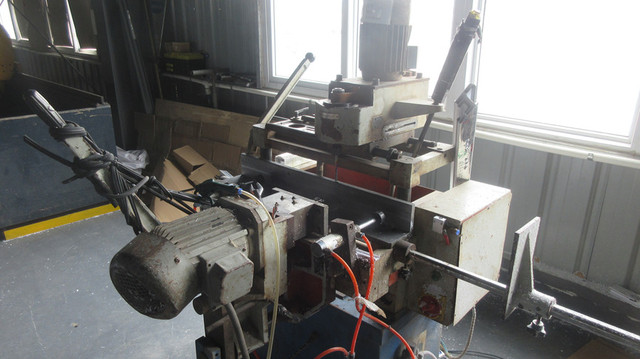
Procuring architectural-grade windows and custom material-handling systems requires matching specifications to international regulatory frameworks. To support developers, distributors, and general contractors worldwide, ORM maintains compliance across multiple international standards:
Ensures structural wind load performance, air infiltration prevention, and low-E glass thermal transmittance (U-factor) parameters.
Verifies deflection indices, water penetration resistance, and structural safety performance under extreme solar radiation and high wind loading.
Governs air permeability, water tightness, wind load resistance classification, and eco-friendly recyclable material parameters.
For industrial and handling systems (e.g., custom trolleys, mobile shelving, glass transport racks), procurement metrics focus heavily on Safe Working Load (SWL) ratings, fatigue limits of structural corners under maximum payload, caster vibration dampening, and ESD (Electrostatic Discharge) grounded components for cleanroom integration.
Engineered aluminum profiles and custom cart platforms are designed for specific operational environments:
I. Cleanrooms, Laboratory, and Medical Research Centers: High-purity spaces require anti-static (ESD) wheels and non-outgassing structural frames. Anodized aluminum carts offer sterile, easy-to-sanitize structures that resist oxidation from cleaning agents.
II. High-Traffic Transport Hubs & Airports: Heavy-duty luggage trolleys and cargo-handling systems utilize robust 6061-T6 aluminum tubing, high-impact rubber corner bumpers, and customized braking systems to withstand constant, rough handling.
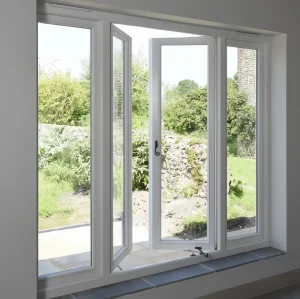
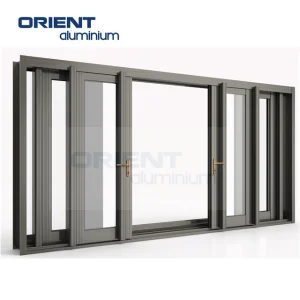
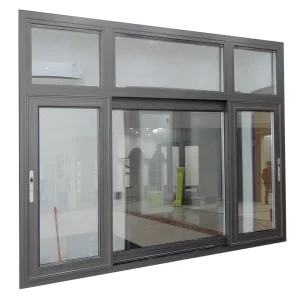
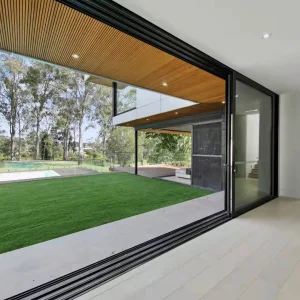
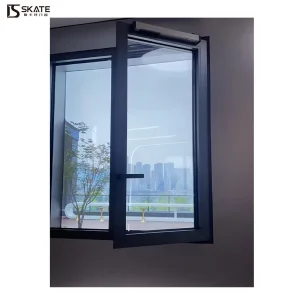
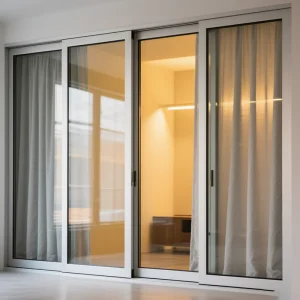
III. Coastal Zones & High-Wind Regions: Architectural envelopes in these regions require hurricane-proof sliding and casement window profiles fitted with laminated impact glass. Double EPDM continuous gasket seals prevent water penetration under high pressure, while structural interlocks withstand negative wind forces.
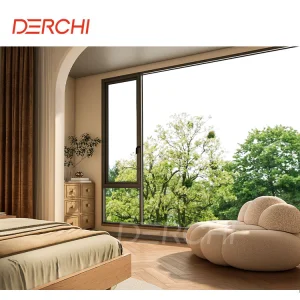
Premium-engineered window solutions designed to withstand extreme wind, rain, and thermal pressure across residential and commercial projects.
 ORM Windows