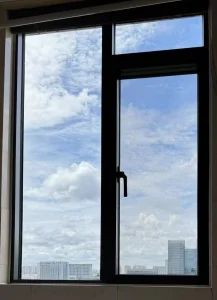
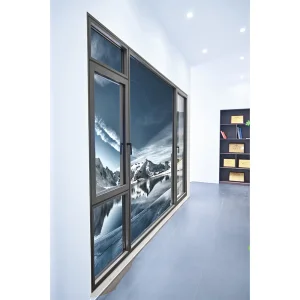
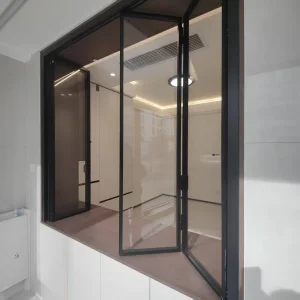
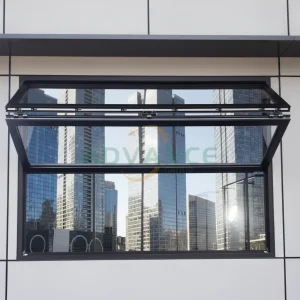
Engineered to satisfy high structural wind load ratings, optimal thermal break efficiency, and high-end modern designs.
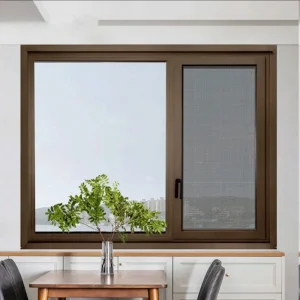
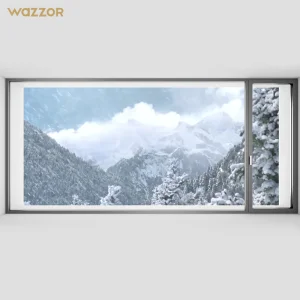
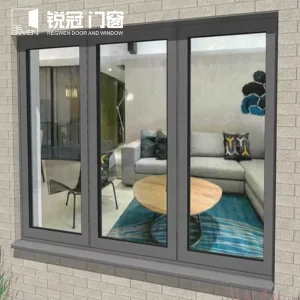
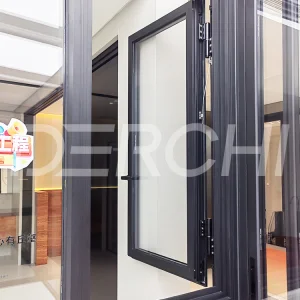
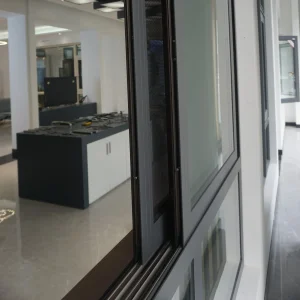
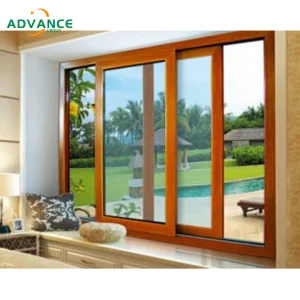
Analysis of performance requirements, environmental compliance, and structural trends shaping modern entrance architecture.
The international landscape for fenestration products is undergoing an unprecedented technological paradigm shift. Driven by structural requirements for wind load resistance, the integration of automation systems, and strict global building standards, high-performance aluminum double doors are no longer treated as simple entry barriers. They are now dynamic components engineered to withstand extreme climates, guarantee energy efficiency, and match clean, modern architectural concepts.
Advanced double door assemblies utilize high-tensile 6063-T5/T6 grade aluminum profiles. Unlike traditional timber or PVC-U frames, structurally engineered aluminum offers a superior strength-to-weight ratio. This permits ultra-narrow sightlines, expansive glazing areas, and reliable wind resistance for high-rise buildings and storefront designs.
With global green building directives targeting carbon neutrality, thermal insulation is a major priority. Impregnated polyamide thermal break barriers (such as PA66-GF25) combined with low-emissivity (Low-E) insulated argon gas glass configurations reduce U-values to less than 1.6 W/m²·K, satisfying strict EU energy-saving laws and NFRC guidelines.
Modern double entry systems incorporate multi-point locking gear, high-grade anti-lift hardware, and thick tempered double/triple glazing layers. This combination delivers exceptional wind load resistance and security levels (complying with EN 1627 RC2 standards) to meet demanding commercial and private residential requirements.
A closer look at Foshan ORM Windows Co., Ltd. - structural efficiency, design technology, and global supply chain resilience.
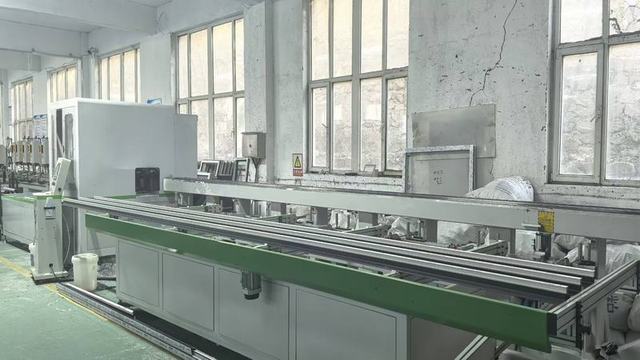
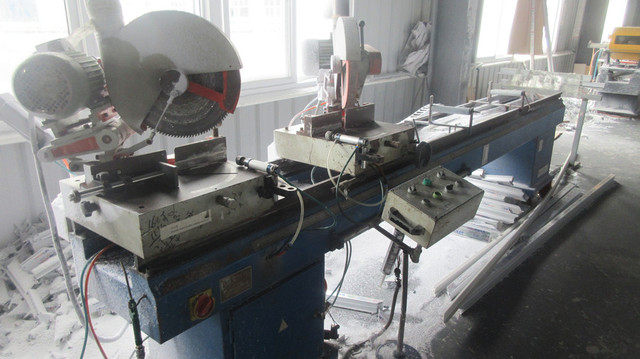
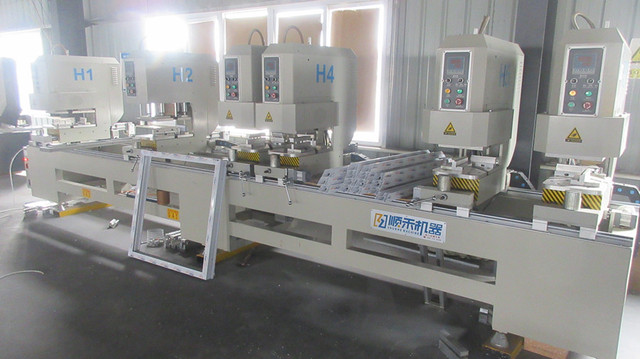
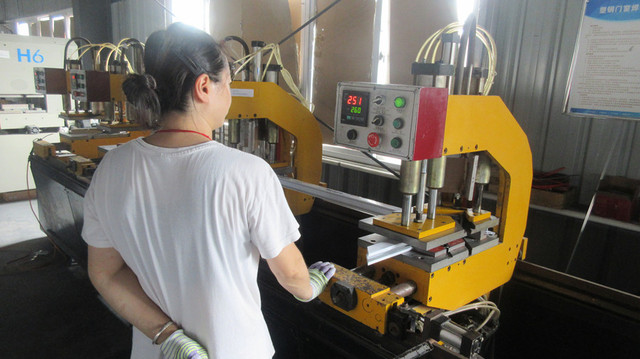
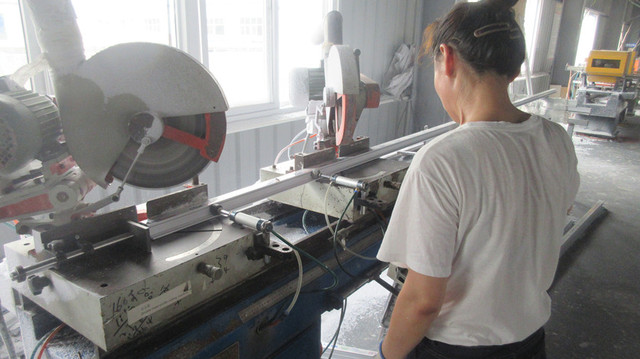
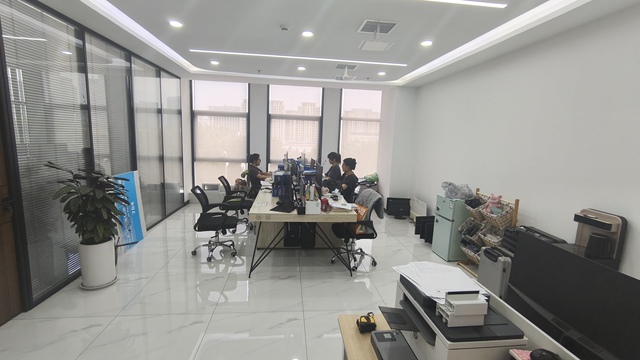
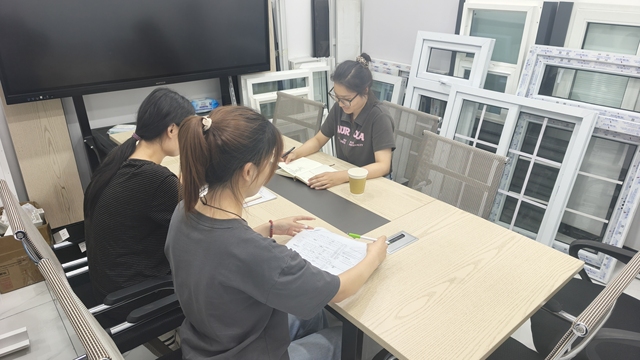
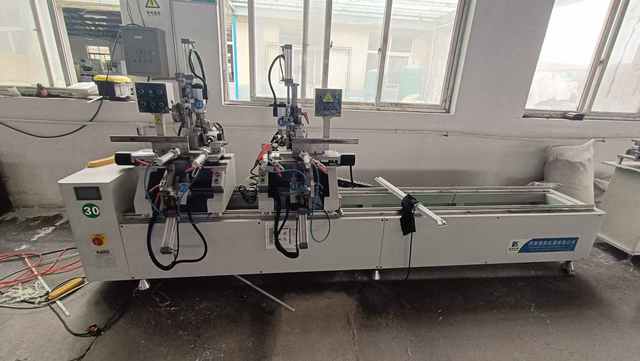
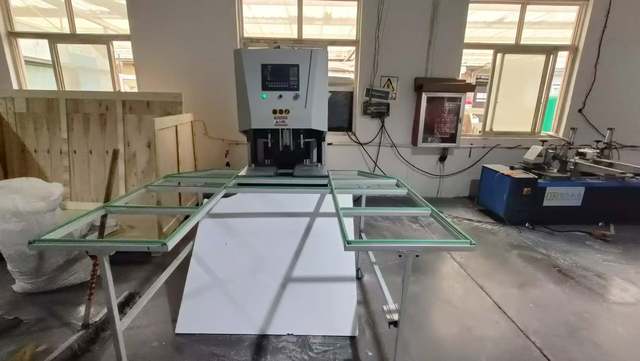
Established in 2011, Foshan ORM Windows Co., Ltd. is situated in Foshan, Guangdong, China—one of the world's most dense clusters for architectural aluminum production. Spanning a modern production facility of more than 20,000 square meters and employing over 280 skilled professionals, ORM has evolved into a global supplier of architectural doors and windows.
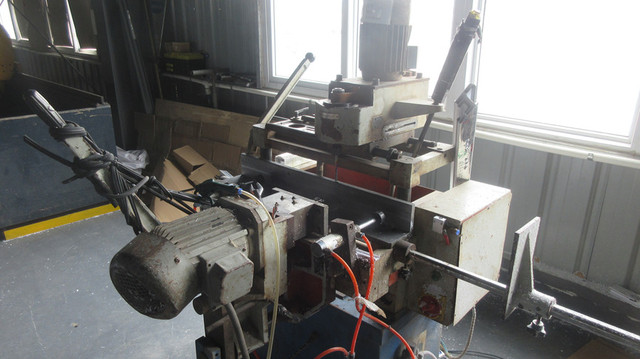
By controlling the manufacturing pipeline from structural profile processing and double-glazing assembly to high-grade hardware fitting and load-bearing calibration, ORM ensures its doors and windows exceed international project specs. With flexible OEM and ODM services, builders, developers, and distributors from North America, Europe, Australia, the Middle East, and Southeast Asia can customize profiles, finishes, and locking systems to meet local building codes.
How varying regional climates and project types dictate double door engineering specifications.
Developers in North America require certification compliance including NFRC (National Fenestration Rating Council) and AAMA standards. Projects demand thermal break properties to handle cold northern winters and hot summers, along with impact-resistant glazing options for hurricane-prone coastal regions.
In Europe, high-efficiency triple glazing and advanced soundproofing are standard expectations. The demand centers around clean profile visual designs, such as minimalist tilt-and-turn configurations and flush threshold bi-folding double doors, aligning with sustainable low-energy home certifications.
Projects across the Middle East require UV-stabilized powder coatings and robust hardware that resist sand erosion and extreme heat. Meanwhile, Australian and Oceanic markets demand compliance with AS2047 tests for high wind deflection and water penetration, and bushfire ratings (BAL ratings).
ORM's proximity to the Foshan raw material cluster reduces transit latency for custom profiles, specialized seal gaskets, and international hardware. The factory's organized operations prevent bottlenecking during peak production seasons, offering developers and distributors reliable lead times and predictable freight scheduling.
Clarifying key technical specifications, customization details, and import logistics for global door systems.
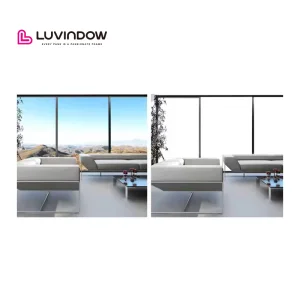
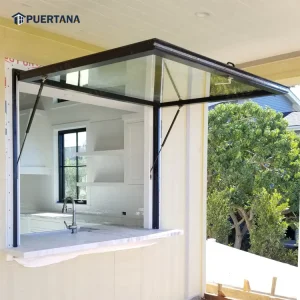
Explore high-performance smart glass systems, gas-strut serveries, French layouts, and robust bi-folding configurations.
 ORM Windows