Explore our top-selected premium aluminum and structural glass architectural products engineered for superior thermal isolation, load ratings, and long-term utility.
A comprehensive architectural evaluation of the current state of structural openings, environmental compliance, and high-load performance requirements.
Aluminum glass doors have evolved from standard building closures to critical structural and energy components. With rapid urban development in North America, Europe, and the Middle East, high-rise buildings and modern residences demand large glass spans with minimal framing. Modern structures require wind resistance, seismic resilience, and superior water-proofing capabilities, placing extreme importance on the structural profile selection of the aluminum frame.
Global architectural standard bodies have heightened energy codes. Regulations like California's Title 24, NFRC (National Fenestration Rating Council) rules in North America, and European CE directives demand lower U-factors and strict Solar Heat Gain Coefficient (SHGC) limits. Thermal break technologies utilizing premium structural polyamide (PA66-GF25) isolators are now standard requirements to prevent thermal bridges, cutting down cooling and heating energy loss.
Aluminum alloys used in coastal environments or high-pollution urban centers require chemical resistance. Factories now employ advanced fluorocarbon coating (PVDF), architectural powder coatings meeting Qualicoat standards, and thick anodizing treatments. These finishes offer high UV resistance, stopping fading, oxidation, and coastal salt spray degradation for at least 15 to 25 years under high solar exposure.
In the scope of global construction logistics, aluminum glass doors and windows are no longer classified as static hardware components. They represent complex, thermal-barrier assemblies. Developers seek out top manufacturers capable of meeting custom Wind Load Pressures, Sound Transmission Class (STC) ratings, and aesthetic configurations. As structural components, the quality of both the raw aluminum billet (principally primary alloy AL6063-T5 or T6) and the safety-tempered glass determines the longevity of commercial installations.
Discover the supply chain depth, raw material vertical integration, and technological advantages that make Foshan the epicenter of international fenestration manufacturing.
Foshan hosts the world's most dense cluster of aluminum extrusion mills, mold design studios, glass tempering facilities, and specialized hardware manufacturers. A single factory in Foshan has immediate access to custom-extruded aluminum shapes, high-performance hardware, and multi-laminated glass within a 10-kilometer radius. This spatial concentration eliminates long-haul transport times, reduces material handling damage, and drives manufacturing overheads down.
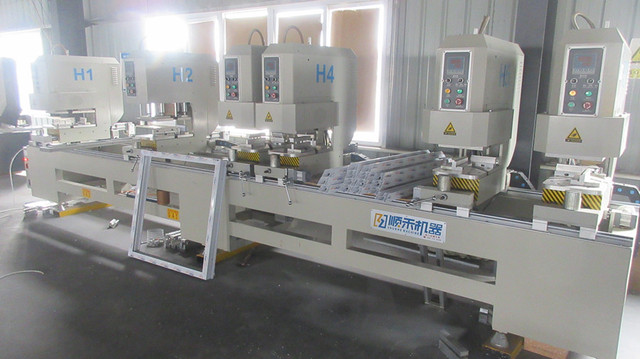
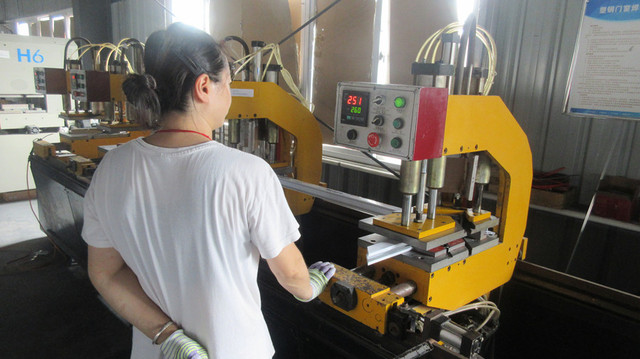
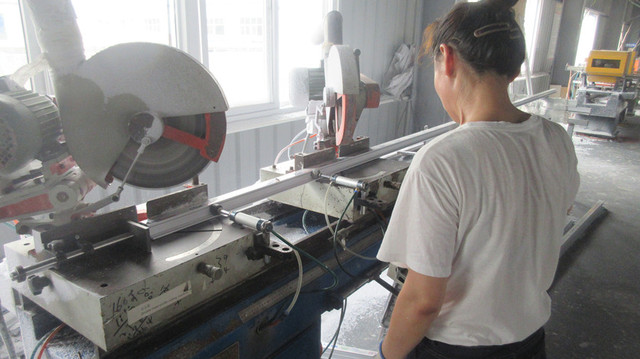
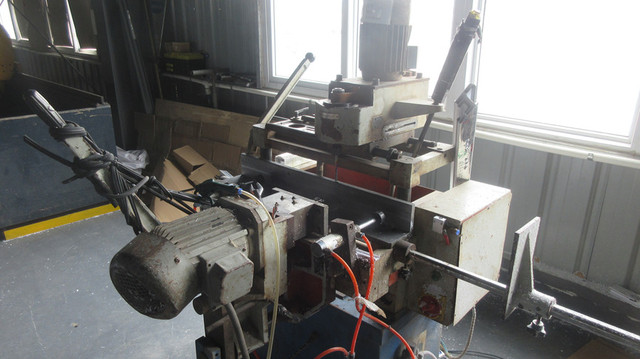
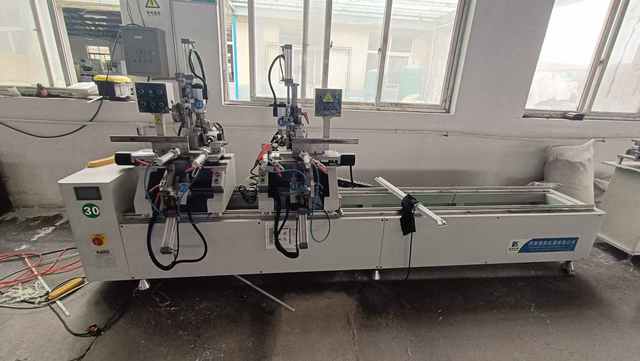
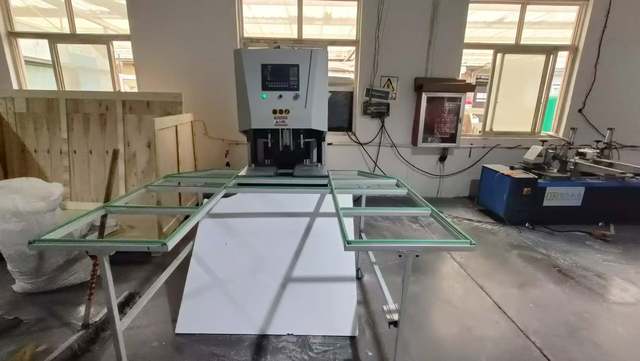
With massive capital investment in computerized numerical control (CNC) machining centers, automated cutting saws, and robotic corner-crimping equipment, Foshan factories deliver structural tolerances measured in microns. This high precision is crucial for large-format bi-fold and sliding systems, where even a 1mm misalignment will result in draft leaks, air infiltration, or mechanical lock failures.
By leveraging mass production capacity, optimized waste management, and direct partnerships with large primary glass float companies (e.g., Xinyi Glass, CSG Holding), Foshan manufacturers offer extreme cost efficiency. Global buyers receive advanced double-glazed thermal break doors at a fraction of the cost of local domestic fabricators, without sacrificing custom design choices.
An inside look at the production footprint, manufacturing ethics, and engineering quality of ORM Windows, a premier manufacturer of high-performance architectural systems.
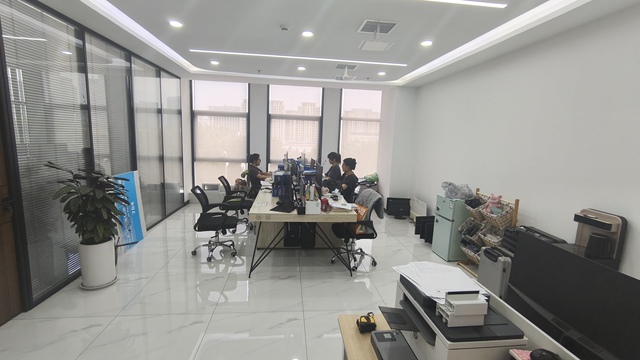
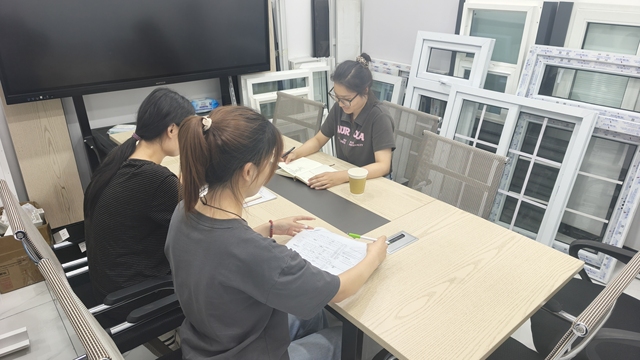
Established in 2011, Foshan ORM Windows Co., Ltd. is a professional aluminum window and door manufacturer located in Foshan, Guangdong, China. This region is internationally recognized as the epicentre for architectural aluminum production and advanced building materials manufacturing. Spanning a modern manufacturing footprint of over 20,000 square meters and powered by a highly trained workforce of over 280 skilled employees, ORM Windows is structurally aligned to provide high-performance, energy-efficient, and aesthetically compelling door and window solutions for projects worldwide.
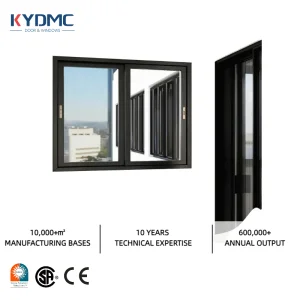
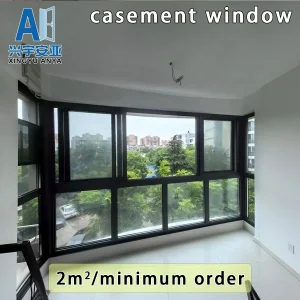
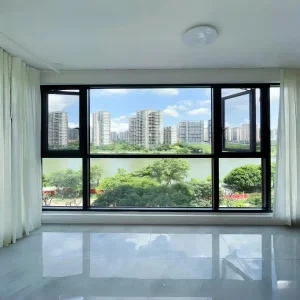
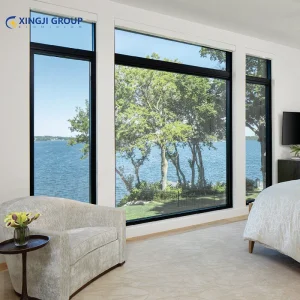
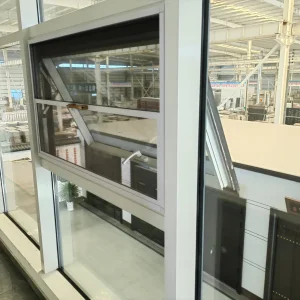
The company's product portfolio is comprehensive, featuring aluminum casement windows, sliding windows, awning windows, fixed windows, tilt-and-turn windows, thermal break window systems, double-glazed windows, and customized architectural window systems designed to meet diverse building regulations.
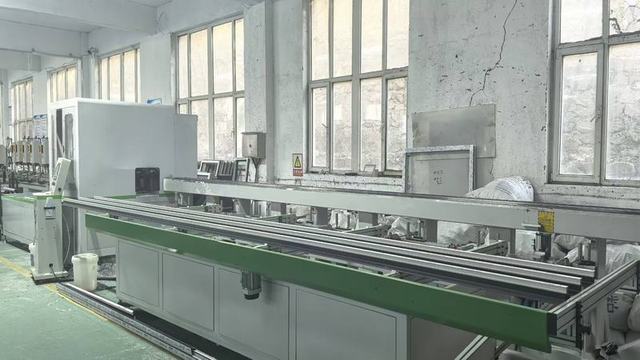
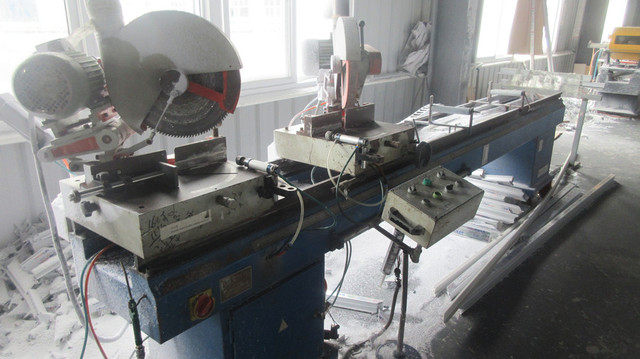
By utilizing high-end CNC profile processing centers, precision dual-head cutting saws, and computerized glass cutting and tempering arrays, ORM Windows ensures structural longevity in every batch. The company provides deep OEM/ODM customization services, letting international developers configure precise frame colors (RAL colors), glazing options (low-E, laminated, argon-gas filled), and architectural grade hardware.
An evaluation matrix showing how the top 10 factories are selected, and what specific capability segments they represent in the worldwide aluminum door industry.
Factories leading this segment focus exclusively on ultra-low U-factor profiles for extreme cold environments, incorporating triple glazing, argon gas, and wide multi-chamber polyamide thermal breaks to achieve Passive House certifications.
These plants cater to tropical storm zones (such as Florida, the Caribbean, and Australia). They produce heavy-gauge wall profiles coupled with multi-layered SentryGlas (SGP) laminations designed to survive flying debris and high cyclical pressures.
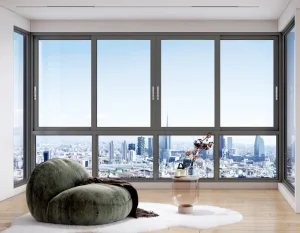
Focused on architectural aesthetics, these boutique manufacturers feature hidden-frame profiles, zero-sill transitions, and huge single-panel sliding tracks designed for luxury villas and high-end commercial spaces.
When searching for a top-tier factory partner, the procurement team must audit specific operational indices: Extrusion Press Capacity (measured in Metric Tons, e.g., 2500T to 5000T), Anodizing and Powder Coating Certifications (e.g., AAMA 2604/2605), and In-House Quality Control Laboratories. Under-equipped workshops cannot consistently align large-panel assemblies, leading to seal failure or frame bending under thermal stresses.
For procurement officers and architectural engineers: A deep dive into the engineering details, alloy selection, and structural glazing components.
How to audit, import, and secure risk-mitigated procurement contracts with top Chinese factories.
Never rely on simple catalogs. Create a detailed technical sheet specifying: precise U-factor requirements, SHGC values, required alloy thickness, powder coating brand (such as AkzoNobel or Tiger Drylac), hardware SKU numbers, and glass performance criteria.
Inspect critical steps during fabrication: verify alloy certificate stamps, inspect the precision of cutting angles, ensure structural silicone is applied correctly in climate-controlled cleanrooms, and inspect glass edge grinding quality.
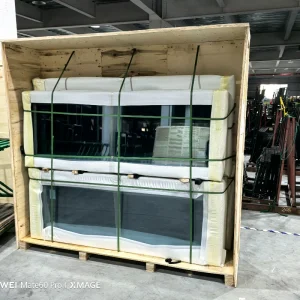
Aluminum doors and windows are prone to scratches and pressure damage during maritime transit. Require clean protective films on profiles, heavy-duty corner guards, moisture-absorbing desiccants inside vapor-barrier wraps, and IPPC-certified heavy-duty wooden crates or steel A-frame racks.
Detailed answers to structural engineering, certification, and procurement questions regarding aluminum glass door imports.
Browse our extended catalog of high-performance architectural systems, engineered for energy efficiency, acoustic separation, and modern aesthetics.
 ORM Windows