ORM Windows
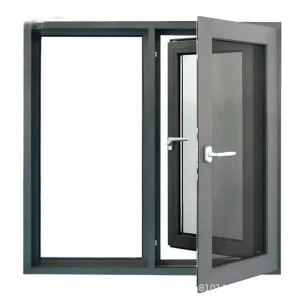
Understanding Aluminum Hinges: Structural Metallurgy and Performance Criteria
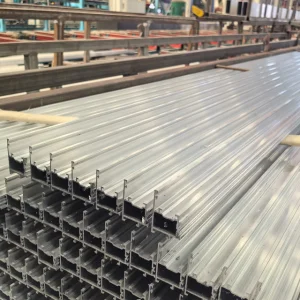
When engineering fenestration systems for high-occupancy commercial projects or residential spaces, architectural engineers must prioritize metallurgy. The selection of materials for aluminum hinges involves a careful balance between load-bearing capacity, fatigue life, and corrosion protection. Most structural hinges are manufactured utilizing either high-strength extruded aluminum alloys or die-cast variants. For premium architectural projects, extruded 6063-T5 or 6063-T6 aluminum is the industry benchmark.
1. Mechanical Properties of 6063-T5 vs. 6063-T6 Aluminum Alloys
The tempering designation of aluminum profiles deeply impacts their performance under stress. 6063-T5 is cooled from elevated temperature shaping and artificially aged, rendering excellent surface finish qualities and moderate strength. 6063-T6 is solution heat-treated and artificially aged, producing significantly higher yield strength (up to 214 MPa compared to 145 MPa for T5) and ultimate tensile strength. For heavy-duty casement windows, structural glass facade units, and motorized shutters, using T6 tempered alloy profiles prevents deformation at critical stress points.
2. Corrosion Mitigation & Surface Treatments
Hinges are continuously exposed to environmental elements, making corrosion mitigation vital. Quality aluminum hinge suppliers utilize three primary coating methods:
- Anodizing: An electrochemical process that converts the metal surface into a decorative, durable, corrosion-resistant anodic oxide finish. A minimum of Class I (18μm+) coating is recommended for marine or industrial coastal zones.
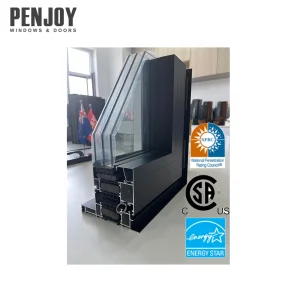
- Powder Coating: Electrostatically applied dry powder cured under heat. It provides a thick, resilient barrier against physical abrasion. Suppliers adhering to AAMA 2604 or 2605 certifications offer coatings that survive extreme UV exposure without fading or chalking.
- Fluorocarbon (PVDF) Coatings: Reserved for architectural facades in high-exposure regions. PVDF coatings offer exceptional resistance to chemical pollution, acid rain, and solar radiation.
3. Physical Architecture of Modern Window Hinges
The design configuration of modern aluminum hinges dictates their functional capability:
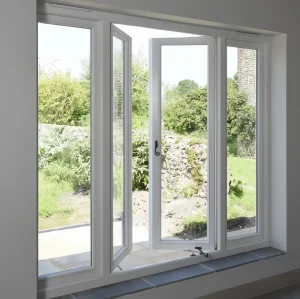
- Concealed Friction Hinges (Stay Hinges): Positioned inside the window frame clearance gap, these hinges are invisible when the window is closed, maintaining clean architectural lines and improving security.
- Heavy-Duty Butt Hinges: Used primarily for main entry doors and oversized casement frames. They feature internal self-lubricating nylon or brass bearings to minimize wear over millions of opening cycles.
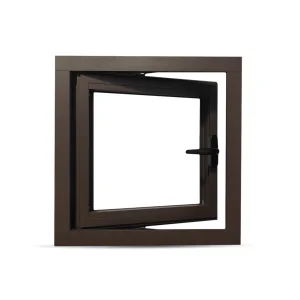
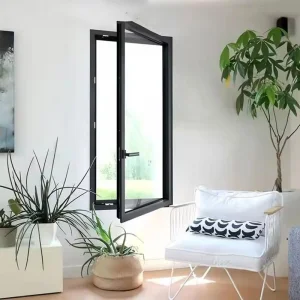
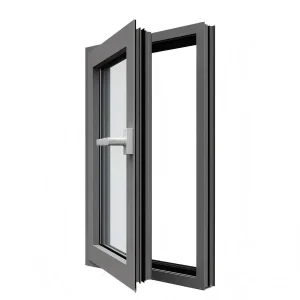
- Multi-Point Pivot Hinges: Engineered for tilt-and-turn window designs, allowing the sash to tilt inward for ventilation or swing open horizontally for easy maintenance.