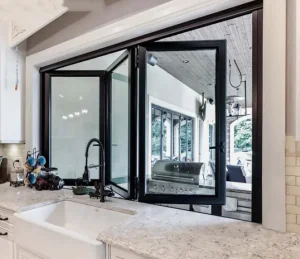
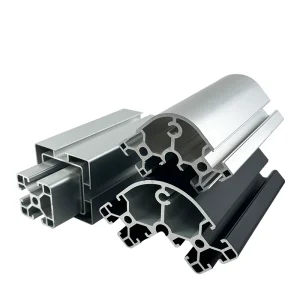
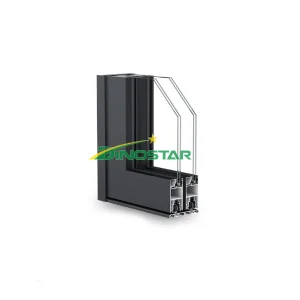
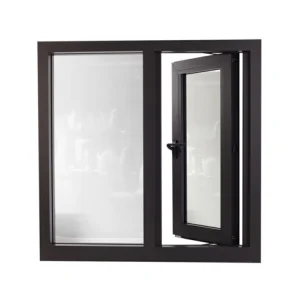
Explore our state-of-the-art aluminum windows, doors, and extrusion systems designed for high-end structural integration.
How modern commercial property development is optimizing material choices for longevity, environmental footprint, and aesthetic value.
The global construction industry is undergoing a structural transition. Sourcing managers and project specifiers are steering away from traditional timber-based substrate materials, such as Medium Density Fiberboard (MDF) and plywood, for interior fittings in wet zones. The primary driver is the accelerating demand for Aluminum Vanity Units. As multi-family developments, hotel chains, and premium offices expand, the requirement for vanity units that do not warp, degrade, or emit volatile organic compounds (VOCs) has reached an all-time high.
Aluminum's inherent characteristics—lightweight, structurally rigid, highly customizable, and 100% recyclable—make it the optimal structural metal for wet and high-humidity microclimates. B2B procurement professionals look for solutions that combine modern aesthetics with functional resilience. Industrial-grade aluminum vanity units manufactured under strict ISO guidelines offer long-term asset security, preventing common issues like mold proliferation, water absorption swelling, and structural joint breakdown.
As green building certifications (such as LEED, BREEAM, and DGNB) become standard across commercial real estate, developers are scrutinizing interior fit-outs. Premium aluminum vanity units fabricated from architectural-grade alloys (such as 6063-T5) contribute directly to these certifications. Being entirely recyclable and manufactured using clean energy processes, they minimize the carbon footprint of properties, securing premium asset valuations for property developers worldwide.
Tailoring modular architectural components to align with modern engineering frameworks and fast-track installation timelines.
To reduce onsite labor costs and construction delays, modern mega-projects rely heavily on offsite modular assembly. Aluminum vanity configurations are engineered to integrate seamlessly into prefabricated pod bathrooms. Their dimensional stability ensures that they fit precise structural templates, reducing onsite adjustment errors to zero.
Exposure to moisture, cleaning agents, and high ambient humidity can compromise surface aesthetics. Top manufacturers utilize advanced surface treatments, including PVDF (fluorocarbon) coatings, architectural powder coatings, and electrochemical anodization. This guarantees over 15 years of maintenance-free surface integrity.
Leading aluminum systems are engineered to accommodate high-end European and American hardware brands. Pre-machined routing patterns support soft-close hinges, concealed runners, and integrated LED driver channels, providing end-users with a high-end sensory experience during interaction.
An overview of how metallurgy, thermal dynamics, and structural engineering are shaping the next generation of building components.
By shifting from standard scrap metal to pure 6063-T5 and T6 structural alloys, manufacturers are achieving high tensile strength with thinner profiles. This maximizes interior cabinet space while maintaining structural load-bearing capacity for heavy natural stone and sintered stone countertops.
Integrating high-density polyamide thermal break strips into framing systems prevents condensation on metal surfaces, mitigating humidity build-up. Additionally, acoustic dampening pads are applied internally to eliminate the metallic sound associated with sheet metal furniture.
The future of vanity units lies in technology integration. New systems feature integrated touch panels, anti-fog heater controllers, embedded sensors for detecting water leaks, and dynamic LED configurations designed to adjust to human circadian rhythms.
A premier manufacturing powerhouse delivering high-performance architectural systems and precision aluminum solutions.
Foshan ORM Windows Co., Ltd. is a professional aluminum window manufacturer located in Foshan, Guangdong, China, one of the country's leading centers for architectural aluminum production and building materials manufacturing. Established in 2011, the company specializes in the design, engineering, manufacturing, and export of high-performance aluminum window systems for residential, commercial, and architectural projects worldwide.
With a modern manufacturing facility covering more than 20,000 square meters and a team of over 280 skilled employees, ORM Windows is dedicated to providing reliable, energy-efficient, and aesthetically appealing window solutions. The company's product portfolio includes aluminum casement windows, sliding windows, awning windows, fixed windows, tilt-and-turn windows, thermal break window systems, double-glazed windows, and customized architectural window solutions designed to meet diverse building requirements.
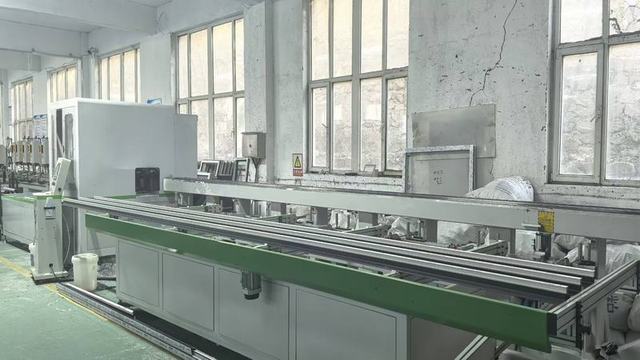
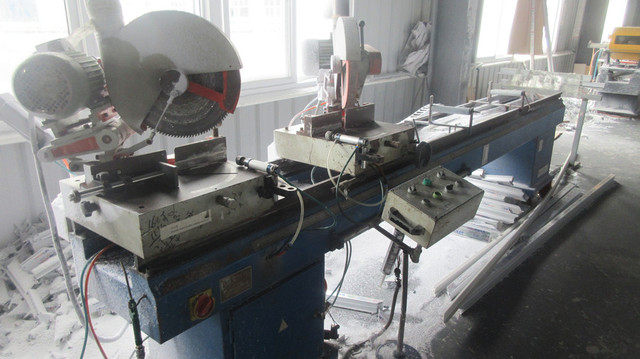
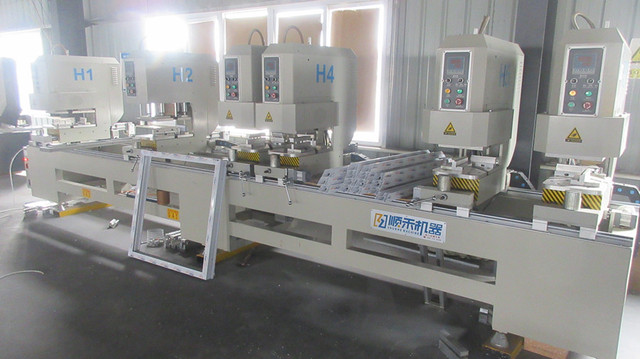
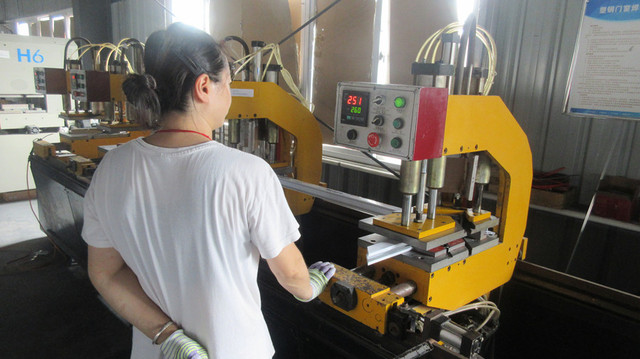
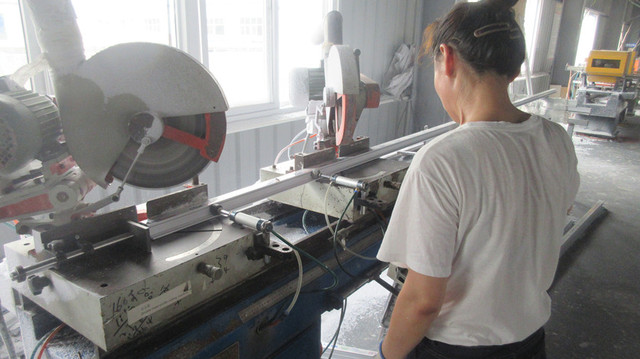
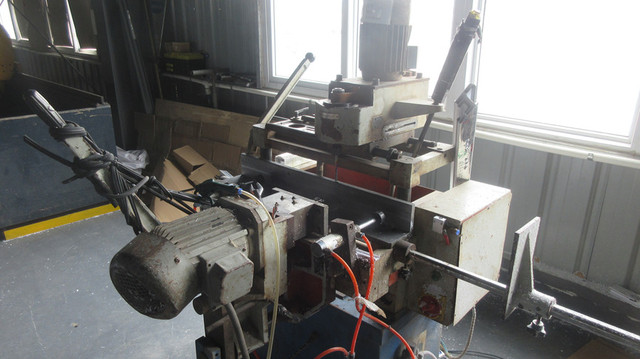
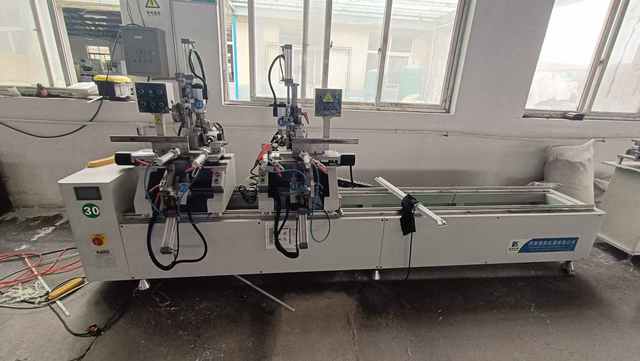
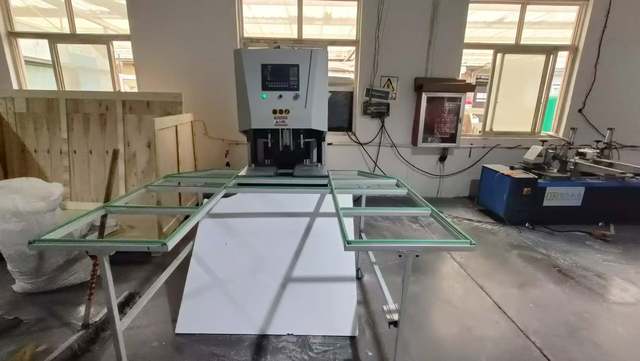
ORM Windows integrates advanced production equipment, precision fabrication technology, and strict quality management procedures throughout every stage of manufacturing. From aluminum profile processing and glass assembly to hardware installation and final inspection, every product is produced to ensure durability, weather resistance, thermal performance, and long-term reliability.
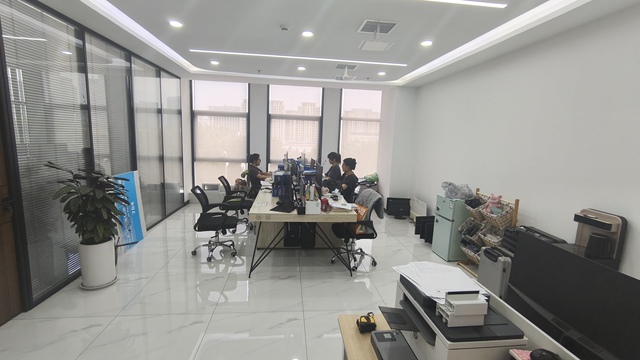
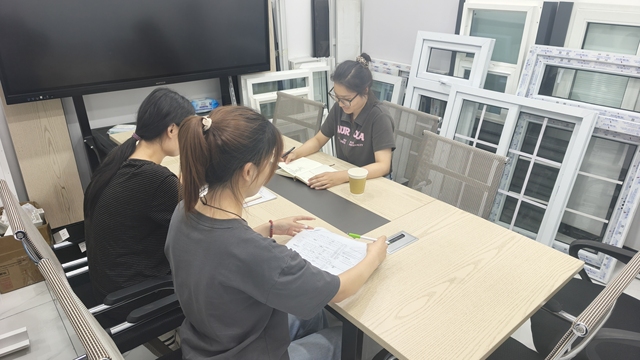
Supported by an experienced engineering and product development team, the company offers comprehensive OEM and ODM services, including customized dimensions, frame finishes, glazing options, hardware configurations, and private-label manufacturing. These flexible solutions enable builders, developers, distributors, and project contractors to meet specific market and project demands.
Serving customers across North America, Europe, the Middle East, Southeast Asia, Australia, and other international markets, Foshan ORM Windows Co., Ltd. has established a reputation for quality manufacturing, professional service, and dependable delivery. The company remains committed to providing innovative aluminum window solutions that enhance modern architecture while supporting sustainable and energy-efficient building development worldwide.
Mitigating compliance risk for developers through robust structural engineering standards and regional certifications.
All architectural structural profiles and vanity backing structures conform strictly to European Standard EN 755-9 for mechanical and geometric tolerances of aluminum extrusions. Hardware systems carry the CE mark, validating durability under cycle test conditions.
ORM systems designed for the North American market adhere strictly to the American Architectural Manufacturers Association (AAMA) guidelines. The thermal performances of complete assemblies are benchmarked to NFRC protocols, ensuring maximum energy insulation.
For Oceanic regions, our products conform to AS2047 structural criteria and AS1288 architectural glass guidelines, guaranteeing optimal defense against severe weather and high seismic stress.
Expert technical answers for structural engineers, project managers, and procurement leads.
A: Traditional wood composites—even if rated "marine grade" or "MR" (Moisture Resistant)—contain organic cellulose fibers bound by chemical polymers. In wet bathroom environments, ambient humidity eventually breaks down these bonds, causing swelling, edge delamination, and microbial growth. Aluminum is an inorganic material that is chemically inert to moisture, ensuring 100% resistance to mold, swelling, and structural sagging over decades of use.
A: We apply specialized marine-grade powder coating or fluorocarbon (PVDF) surface treatments. These coatings undergo strict salt spray resistance tests (meeting AAMA 2605 or Qualicoat class specifications), creating a dense, non-porous physical barrier against chloride ions in coastal environments.
A: Yes, our engineering team provides comprehensive OEM/ODM services. We can develop custom extrusion dies based on CAD or BIM models provided by your project's architectural firm, matching exact structural dimensions, alloy requirements, and finishing specifications.
A: For standard configurations, our lead time ranges from 25 to 35 days post-deposit confirmation and drawings sign-off. For highly customized profiles or specialty hardware integrations, custom extrusion die testing adds approximately 10 to 15 days to the initial production schedule.
A: To eliminate hollow, metallic resonance, we apply proprietary EVA vibration-dampening pads to the underside of countertops and the inner panels of the cabinetry doors. Combined with high-grade European soft-close hinges and structural sealants, our units operate as quietly as traditional wooden cabinetry.
Explore our specialized high-performance industrial extrusions, folding systems, and advanced soundproof profiles.
 ORM Windows