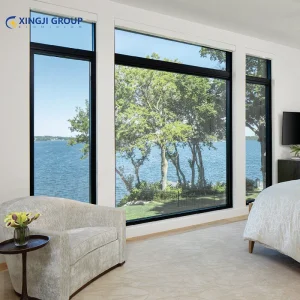
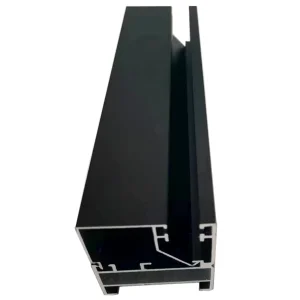
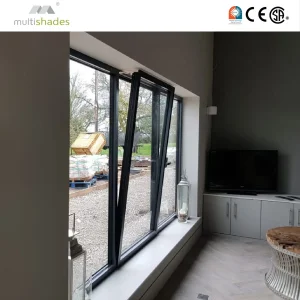
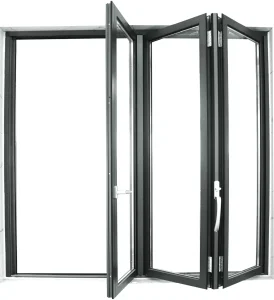
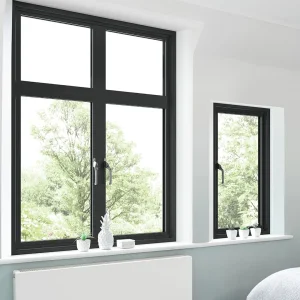
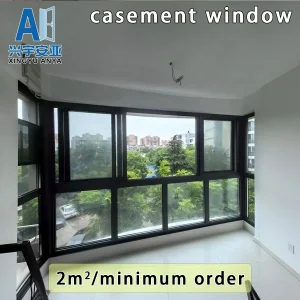
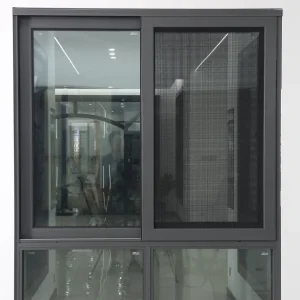
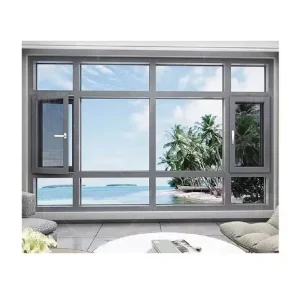
Engineered for extreme coastal weather resistance, advanced acoustics, and heavy-duty structural integrity.
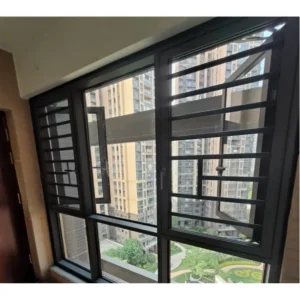
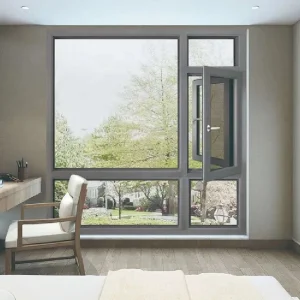
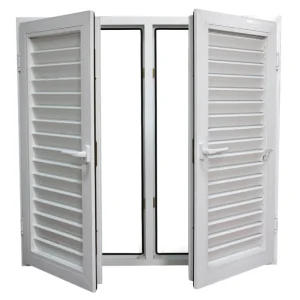
The Brazilian construction sector is undergoing a profound technological shift. Rapid urbanization, combined with rising energy costs and stricter municipal building regulations, has elevated the demand for high-performance architectural systems. Among these, aluminum casement windows have emerged as the gold standard for high-rise residential projects, luxury coastal developments, and green commercial buildings throughout Brazil.
From the humid, salt-spray environments of Rio de Janeiro and Recife to the high-density, acoustic-demanding urban centers of São Paulo and Campinas, standard glazing systems no longer suffice. Real estate developers and structural engineers are increasingly sourcing advanced window systems internationally to achieve superior thermal indices, sound attenuation, and water tightness values that comply with national standard ABNT NBR 10821.
Brazil exhibits highly diverse microclimates, requiring customized window engineering. In the Southern region (Curitiba, Porto Alegre), winters require windows with low heat loss coefficient (U-value) to retain heat. Conversely, in the Southeast, Northeast, and Central-West (São Paulo, Salvador, Brasília), solar heat gain coefficients (SHGC) must be carefully controlled via advanced double or triple glazing integrated with robust aluminum casement profiles to reduce air conditioning energy usage.
Crucially, Brazil’s long coastal zone experiences high wind loads and heavy tropical rainstorms (chuvas de verão). Structural calculations must satisfy strict wind pressure thresholds (often exceeding 1500 Pa to 2500 Pa depending on the building height and geographical zone). Standard local profiles are frequently prone to deformation or water ingress under these conditions. Premium thermal break aluminum casement systems provide the high moment of inertia and reinforced hardware needed to resist structural deformation while ensuring zero water leakage.
The global architectural aluminum supply chain is centered around hubs of specialized manufacturing. Foshan, located in Guangdong, China, is widely recognized as the premier global manufacturing cluster for architectural aluminum profiles, advanced hardware systems, and automated glass fabrication. The concentration of metallurgy, precision tooling, and system design expertise allows companies like Foshan ORM Windows Co., Ltd. to manufacture high-performance windows that surpass domestic manufacturing tolerances in many destination markets, including Brazil.
Importing premium window systems from Foshan allows Brazilian developers to leverage economies of scale and access high-precision machinery. The cost savings, combined with the capability to customize profiles to meet specific project guidelines, makes direct-factory sourcing a key competitive advantage for large-scale real estate projects across South America.
Several global and local macro-trends are reshaping the fenestration industry:
Ideal for vertical luxury apartments and commercial towers. Prominently addresses extreme acoustic insulation needs and meets strict wind load requirements at higher altitudes.
Engineered for locations in Rio de Janeiro, Florianópolis, and Northeast coasts. Features marine-grade PVDF coatings that resist corrosion from highly saline sea breezes (Maresia).
Configured for heavy-use environments such as schools, hospitals, and municipal buildings, prioritizing durable hardware, easy cleanability, and safe emergency exit parameters.
For engineering departments, architects, and quantity surveyors drafting project specifications, below is the baseline structural performance data for ORM's aluminum casement window systems:
| Parameter / Property | Specification Level | Applicable Standards |
|---|---|---|
| Aluminum Profile Alloy | 6063-T5 / T6 High Tensile Architectural Aluminum | ASTM B221, EN 573-3 |
| Thermal Barrier Material | 24mm / 14.8mm Polyamide 66 with 25% Glass Fiber (PA66-GF25) | EN 14024 compliance |
| Acoustic Performance | Rw 32 dB to Rw 45 dB (depending on glass build) | ISO 10140-2 / ASTM E90 |
| Wind Pressure Resistance | Class 5 (up to 3000 Pa structural load limit) | ABNT NBR 10821 / EN 12210 |
| Water Tightness | E900 (Zero penetration at 900 Pa test pressure) | ABNT NBR 10821 / EN 12208 |
| Surface Treatment Options | PVDF Coating, Powder Coating (Qualicoat), Anodized (Qualanod) | AAMA 2605 / ISO 7599 |
| Hardware Lifespan | Tested to 50,000 opening/closing operating cycles | EN 13126 / AAMA 904 |
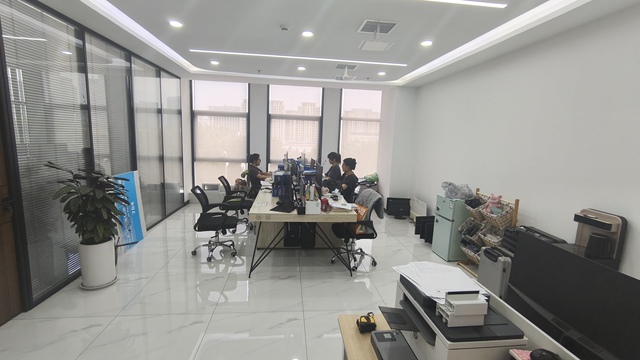
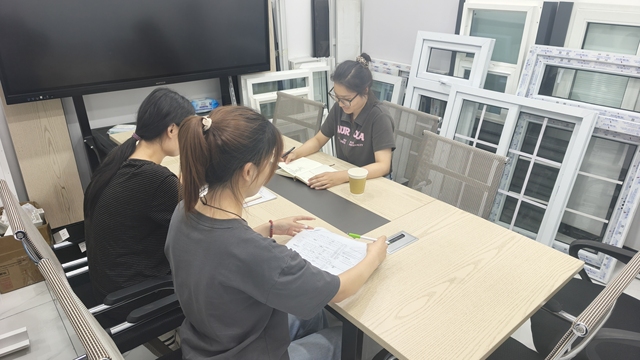
Foshan ORM Windows Co., Ltd. is a specialized manufacturer of aluminum window systems based in Foshan, Guangdong, China. Founded in 2011, the company designs, engineers, and exports high-performance architectural systems for residential and commercial projects worldwide.
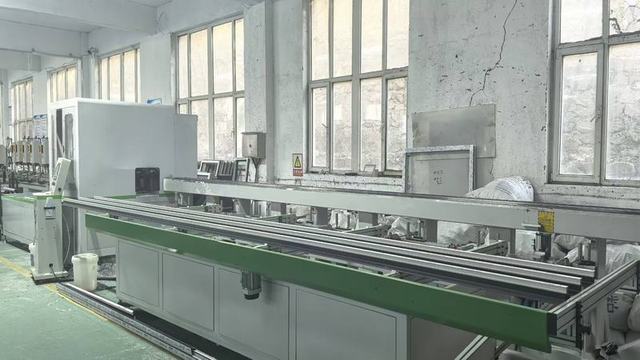
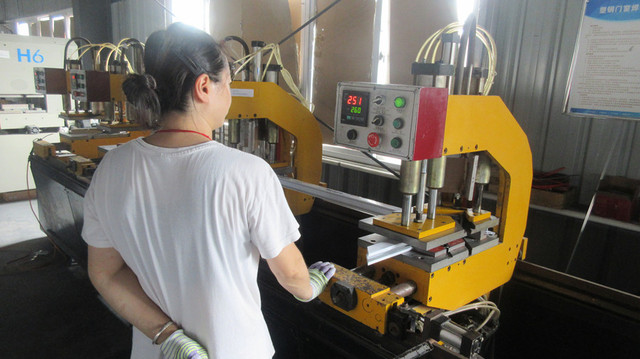
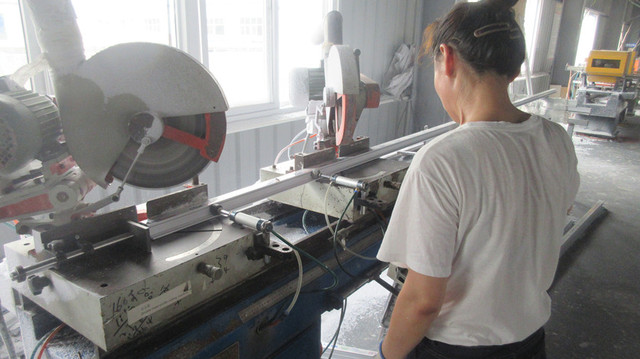
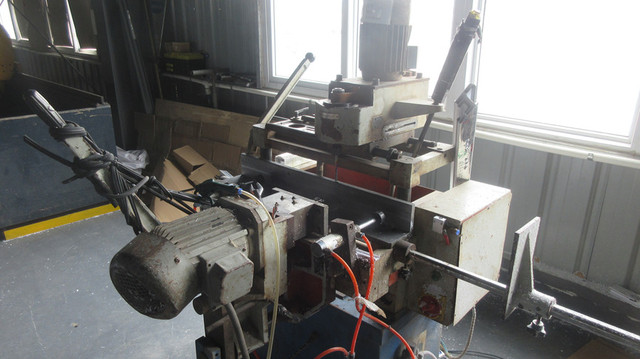
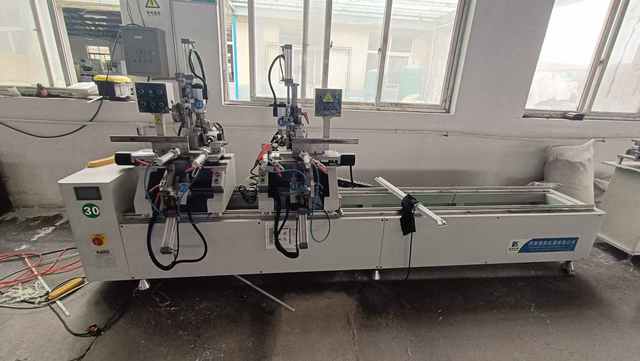
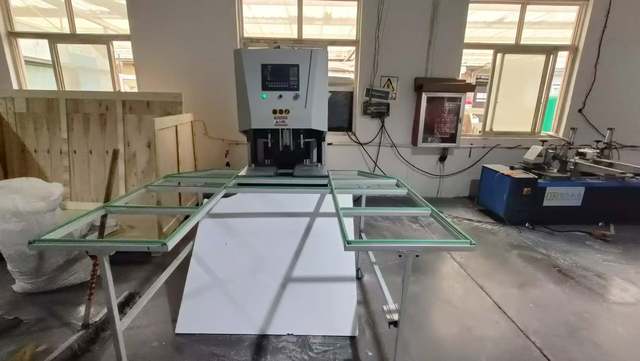
Operating a modern 20,000 square meter production facility with over 280 employees, ORM Windows delivers energy-efficient solutions configured for diverse project demands. The product line includes thermal break systems, sliding and casement windows, and double/triple glazed architectural options.
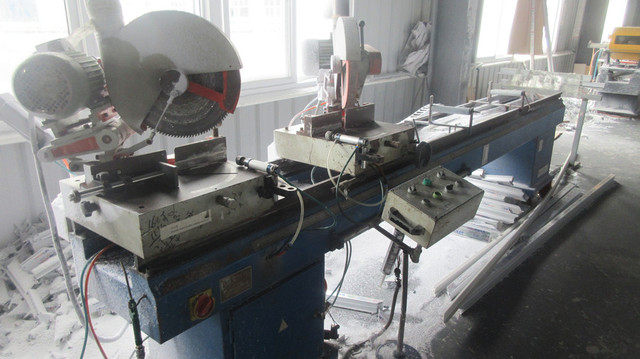
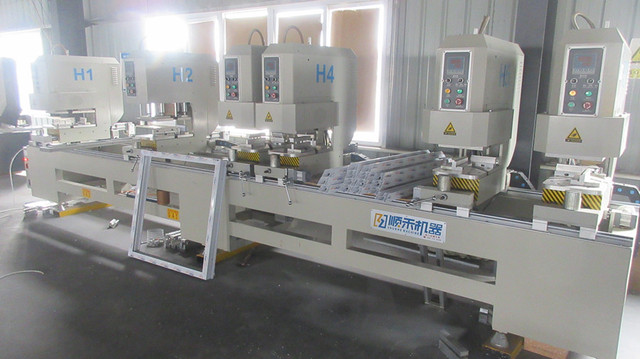
With integrated CNC extrusion processing, glass assembly, and multi-point hardware installation, ORM maintains strict quality control throughout manufacturing. The company offers comprehensive OEM and ODM support, including custom sizing, paint finishes, glass configurations, and hardware brands (such as Sobinco, Giesse, and Siegenia) to meet the exact architectural standards of the Brazilian market.
Key engineering and commercial answers for sourcing aluminum casement windows to Brazil.
Explore our specialized window lines, designed for specific insulation, soundproof, and glazing standards.
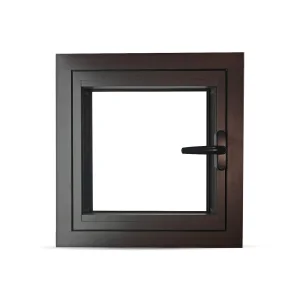
 ORM Windows