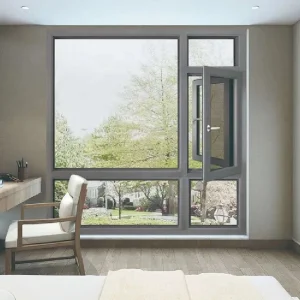
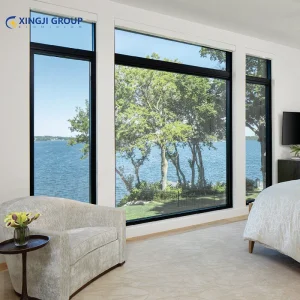
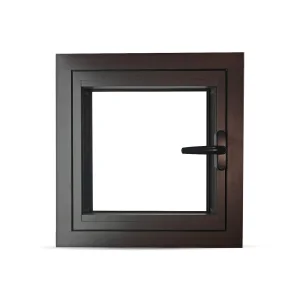
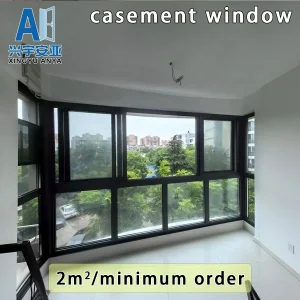
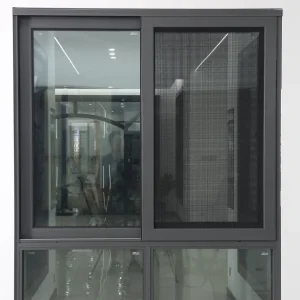
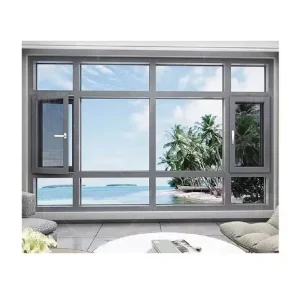
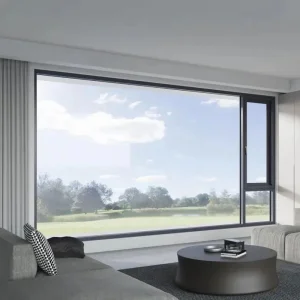
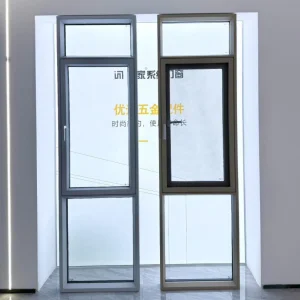
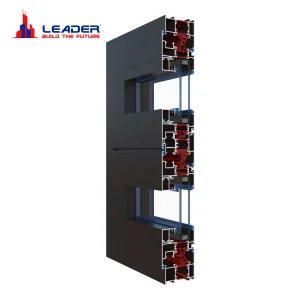
Premium architectural configurations engineered for maximum thermal efficiency and high-level structural integrity.
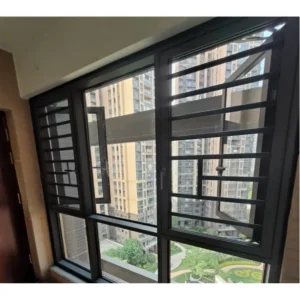
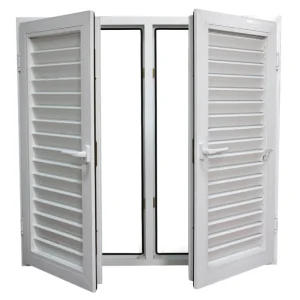
Chile presents one of the most demanding engineering environments globally. Stretching over 4,200 kilometers from north to south, the country spans multiple climatic zones. In the north, the hyper-arid Atacama Desert subjects buildings to high UV radiation and sand particle friction. The central valley, housing major urban hubs like Santiago, experiences hot dry summers, cold winters, and high acoustic noise pollution. Further south, cities like Concepción and Puerto Montt face severe wind-driven rain, freezing conditions, and intense coastal salinity.
For structural engineering companies and real estate developers in Chile, selecting high-performance window systems is not merely an aesthetic choice. It is a critical performance imperative. As high-rise residential towers and commercial centers dominate the skylines of Santiago, Viña del Mar, and Antofagasta, the demand for windows capable of withstanding extreme lateral wind pressures, minimizing thermal bridges, and offering long-term corrosion resistance is higher than ever.
A systematic analysis of compression-seal engineering and structural performance metrics.
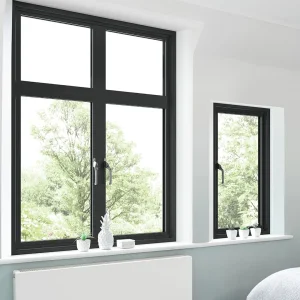
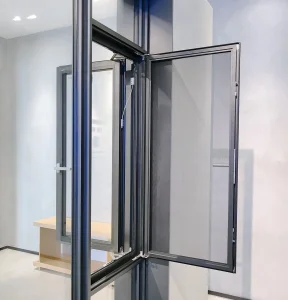
Unlike sliding windows which rely on brush seals prone to wear and air infiltration, casement windows utilize high-density EPDM compression gaskets. When locked via multi-point mechanisms, the sash is compressed tightly against the outer frame. This completely blocks air filtration and high-velocity water ingress.
Chile's strict NCh433 seismic codes mandate that window systems must handle significant lateral displacement (drift) without catastrophic glass breakage or structural failure. Our casement frames incorporate structural glazing configurations and dry-glazing EPDM wedges that accommodate minor sash flexures during high-magnitude seismic events.
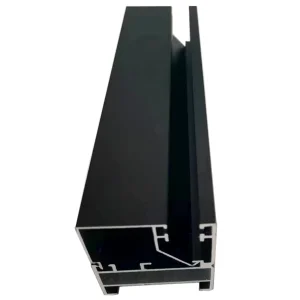
By separating the interior and exterior aluminum walls using polyamide insulation strips (thermal breaks), we eliminate the thermal bridge. Combined with Argon-filled double or triple glazing, this system helps buildings meet the strict thermal transmission coefficients (U-values) required by Chile's regional atmospheric decontamination plans (PDA).
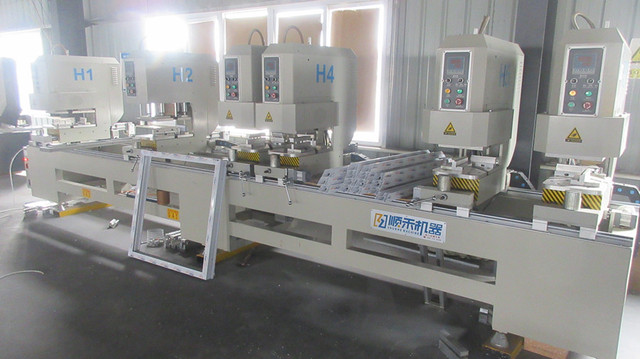
Established in 2011 in Foshan, Guangdong—the architectural aluminum capital of China—Foshan ORM Windows Co., Ltd. has developed into a leading high-performance window manufacturer. Operating a modernized facility spanning over 20,000 square meters and staffed by more than 280 structural engineers and fabrication technicians, we specialize in the design, engineering, validation, and export of advanced aluminum facade systems.
Our manufacturing philosophy revolves around precision. Using automated CNC routing machinery, computerized corner crimping stations, and strict in-house QA processes, every frame is cut and assembled to tolerances of less than 0.5mm. This allows us to offer extensive custom OEM and ODM configurations for major building developments globally, and specifically for the challenging environmental demands of Chile.
Contact Our Engineering TeamDirect look into our 20,000+ sqm manufacturing floor in Foshan, China.
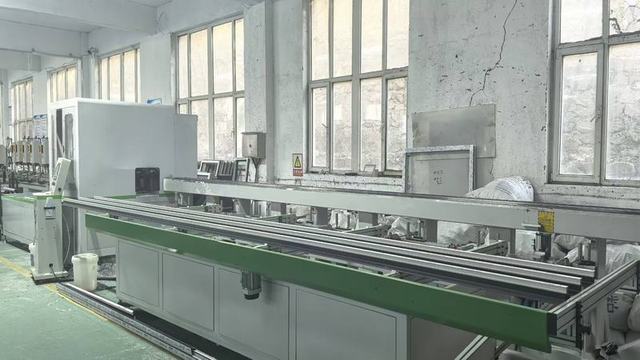
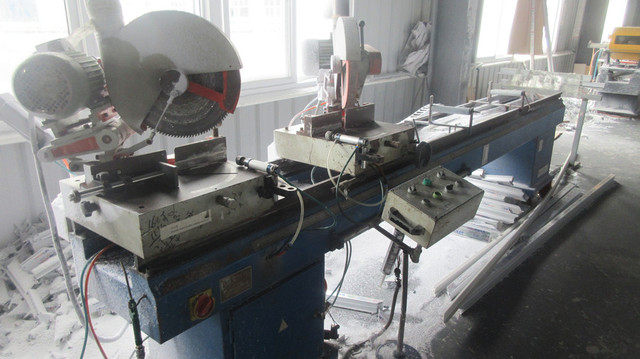
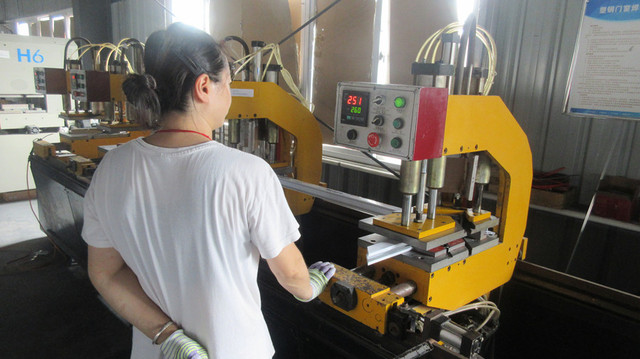
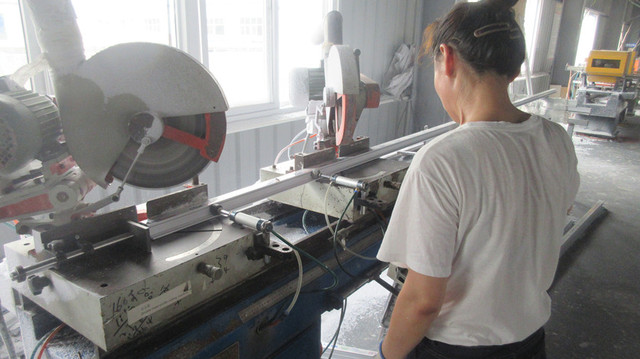
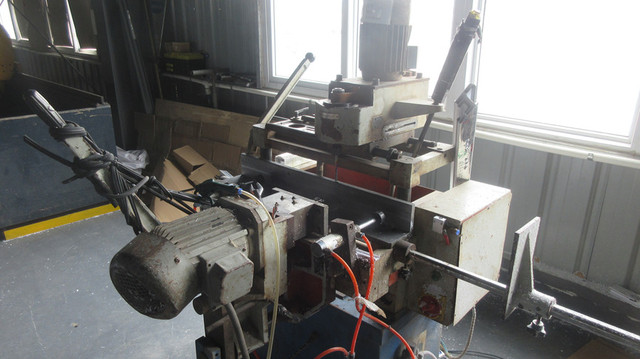
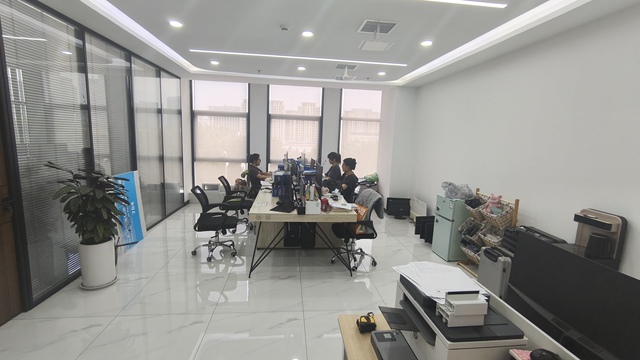
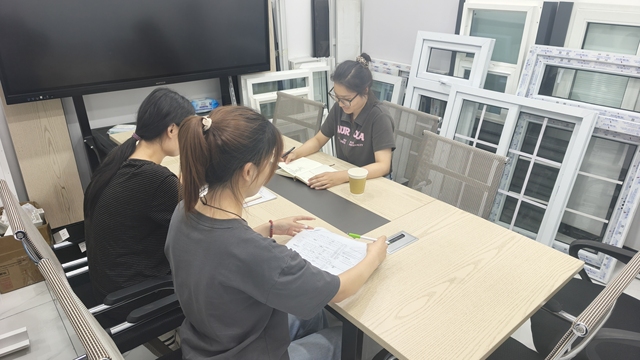
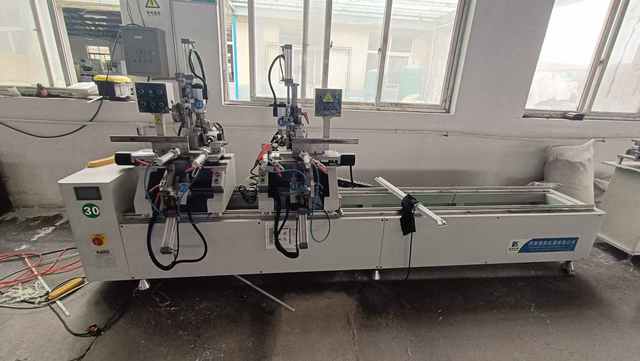
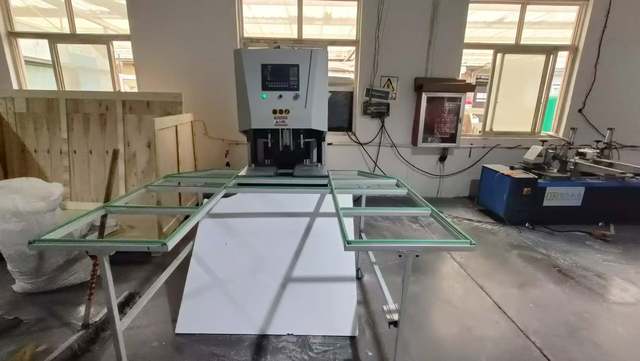
Foshan is recognized globally as the primary industrial hub for architectural aluminum. The deep clustering of raw material suppliers, alloy extruders, die design houses, powder coating facilities, and specialized hardware manufacturers allows us to source structural raw materials faster and more cost-effectively than manufacturers elsewhere. This concentration of specialized industries guarantees manufacturing consistency and material traceability.
For Chilean projects, the trade corridor from Guangdong ports (Guangzhou, Shenzhen) to major Chilean entry points (San Antonio, Valparaíso, Iquique) is well established. We maintain partnerships with ocean freight lines to guarantee stable cargo spacing, container availability, and reliable shipping timelines. To protect against the risks of long-distance maritime shipping, all window units are shipped in custom steel-reinforced wooden crates, separated by protective foam, and secured with moisture-absorbing desiccants.
Ensuring compliance with local building codes, structural wind calculations, and weatherization standards.
Our window systems undergo testing to satisfy NCh3261 standards, which govern mechanical functionality, cyclic wind load resistance, and water infiltration resistance. This ensures compliance when submitting project documentation to Chilean municipal planning departments (DOM).
For projects in oceanfront environments like Viña del Mar or Iquique, we offer high-grade surface treatments, including architectural powder coating (Class 2 Qualicoat) and PVDF coatings. These finishes prevent pitting corrosion and color fading caused by marine atmospheres and strong UV exposure.
Our in-house design office works directly with your architectural design files. We provide precise CAD profiles, anchoring details, and BIM models to integrate with your facade designs, allowing you to identify spatial clearances and structural clashes early in the design phase.
Expert answers addressing structural design, regulatory compliance, logistics, and material engineering for projects in Chile.
Our structural window framing systems are designed with split-mullion joints and dynamic EPDM dry glazing pocket inserts. During lateral inter-story drift (seismic movement), these elements allow the aluminum frame to flex slightly without transferring crushing forces directly to the glass pane, preventing glass breakage and profile buckling.
Depending on the specified glazing composition (e.g., 6mm Low-E + 12Argon + 6mm Clear) and the width of our polyamide thermal break strip (14.8mm to 24mm), we can achieve overall system U-values down to 1.6 W/m²K. This satisfies the strict thermal requirements in central and southern Chile.
We enforce strict QA checks across the manufacturing process. This includes verifying incoming aluminum billets for alloy density (6063-T5/T6), measuring extrusion tolerances, inspecting powder coating thicknesses via thickness gauges, and testing the sealing performance of finished window sashes against air and water penetration.
For coastal zones prone to salt spray and high humidity, we recommend PVDF (polyvinylidene fluoride) coatings or certified Class 2 architectural powder coatings. These treatments provide high resistance to salt-fog corrosion, chemical degradation, and color chalking from high UV exposure.
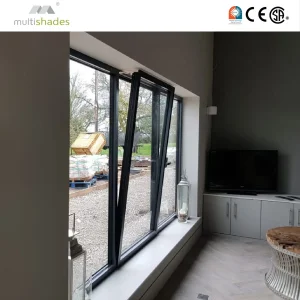
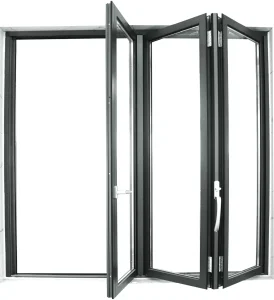
Yes. Our facility offers full OEM/ODM services. We can customize profile extrusions, glass configurations, overall sizes, hardware styles, and opening mechanisms (such as tilt-turn, top-hung awning, inward/outward opening casements, and fixed assemblies) to meet your project's architectural specifications.
The average manufacturing lead time is 30 to 45 days, depending on project volume and customization details. Ocean freight transit from Shenzhen or Guangzhou ports to San Antonio or Valparaíso ports typically takes 35 to 45 days. We provide comprehensive export documentation, custom packaging, and bill of lading tracking to support the customs clearance process.
Explore our complete catalog of certified thermal break casement, tilt-turn, and soundproof window systems.
Request structural calculations, sample corner keys, or comprehensive quotes directly from our technical team.
 ORM Windows